The Indonesian Council of Ulama (Majelis Ulama Indonesia – MUI) issued Fatwa No. 44 of 2020 concerning the Use of Names, Shapes, and Packaging of Products That Cannot Be Halal Certified.
This fatwa establishes criteria for product characteristics that disqualify them from halal certification, even if their ingredients are technically permissible.
The fatwa emphasizes that product names, forms, and packaging must reflect the principles of halal (lawful) and thayyib (good and wholesome). The ruling identifies several categories of products that cannot be certified halal.
1. Names and/or Symbols of Disbelief, Immorality, or Negative Connotation
Products cannot be certified halal if they use names or symbols associated with disbelief, immorality, or negative meanings. Examples include:
- Symbols, images, names, or words related to the worship of other religions or beliefs.
- Cultural symbols contradicting Islamic values, such as Valentine Chocolate.
- Words or images implying disbelief or immorality, such as Mie Setan (Devil Noodles), Mie Iblis (Demon Noodles), or Es Pocong (Ghost Ice).
- Erotic or pornographic images or designs.
However, certain uses are permissible, including:
- Names and shapes such as Gingerbread Man or Snowman.

- Cultural greetings like “Gong Xi Fa Cai” or “Cap Go Meh.”
- The use of “Valentine” as part of a color name (e.g., Valentine Peach Colour Lipstick).
- Packaging that includes greetings such as “Merry Christmas” or “Happy Valentine,” as long as the halal logo is not displayed on the same package.
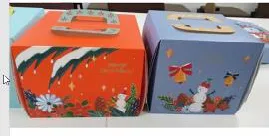
- Packaging with stylized or sensual imagery may be allowed only if it directly represents the product’s function (e.g., cosmetic brands illustrating product use).
2. Products Using Names of Forbidden Objects or Animals
Products are also disqualified if they use the names of forbidden substances or animals, such as:
- Bacon, Ham, Cunyuk/Cu Rou (pork in Chinese).
- Rootbeer, Rum Raisin Ice Cream, Irish Cream (names linked to alcoholic beverages).
Exceptions:
Some cases are permitted when:
- The name has become a cultural tradition (‘urf) and is known to contain no haram ingredients, such as Bir Pletok, Bakso, Bakmi, Bakpia, Bakwan, and Bakpao.
- The name is commonly recognized as referring to a halal variant, such as Beef Bacon.
- The public clearly understands the name as not promoting haram consumption, such as Roti Buaya (Crocodile Bread) or Bear Biscuit.
- The name has alternative meanings widely used in society, such as Mortadella, Bratwurst, Frankfurter, Cocktail, Mojito, Lawar, or Char Siu (when not referring to haram ingredients).
- The term is paired with a color descriptor, like Red Wine Colour or Red Blood Colour.
3. Products Shaped Like Pigs or Dogs
Any product designed in the shape of pigs or dogs cannot be certified halal, regardless of artistic style.
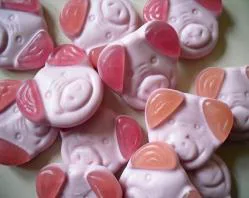
Example
4. Products with Packaging Featuring Pigs or Dogs
Products with packaging that features pigs or dogs as the main visual element are not eligible for halal certification.
However, minor or background depictions of such animals that are not the main focus may be allowed:

Example
5. Products with Flavors or Aromas of Forbidden Substances
Products that imitate the flavor or aroma of forbidden materials cannot be certified halal. This includes:
- Flavors resembling pork (e.g., Smokey Bacon, Bacon Fume).
- Flavors or aromas suggesting alcoholic beverages, such as Amaretto Coffee Flavour.
6. Erotic or Pornographic Packaging
Products are disqualified if their packaging features erotic or pornographic shapes or imagery, as such designs contradict Islamic ethical standards.

Example
Conclusion
MUIMUI Fatwa No. 44/2020 was established to protect the integrity of halal products and ensure that all goods reaching consumers are not only lawful (halal) but also morally appropriate in name, form, and packaging.
👉 Business owners are strongly encouraged to use this fatwa as a practical guide when developing, naming, and designing product packaging.
Following these guidelines helps ensure compliance with halal certification standards and supports consumer trust in your brand.
This fatwa was officially issued in Jakarta on August 5, 2020, and remains a key reference for maintaining ethical and regulatory standards in Indonesia’s halal certification system.
Do you need assistance registering your product in Indonesia?
Contact us today to start your registration process.



.svg/240px-YouTube_social_red_squircle_(2017).svg.png)