1. The New Face of Halal Certification in Indonesia
“Is this certificate valid?” “Why does it look different from the one I saw five years ago?” “What do these codes mean?”
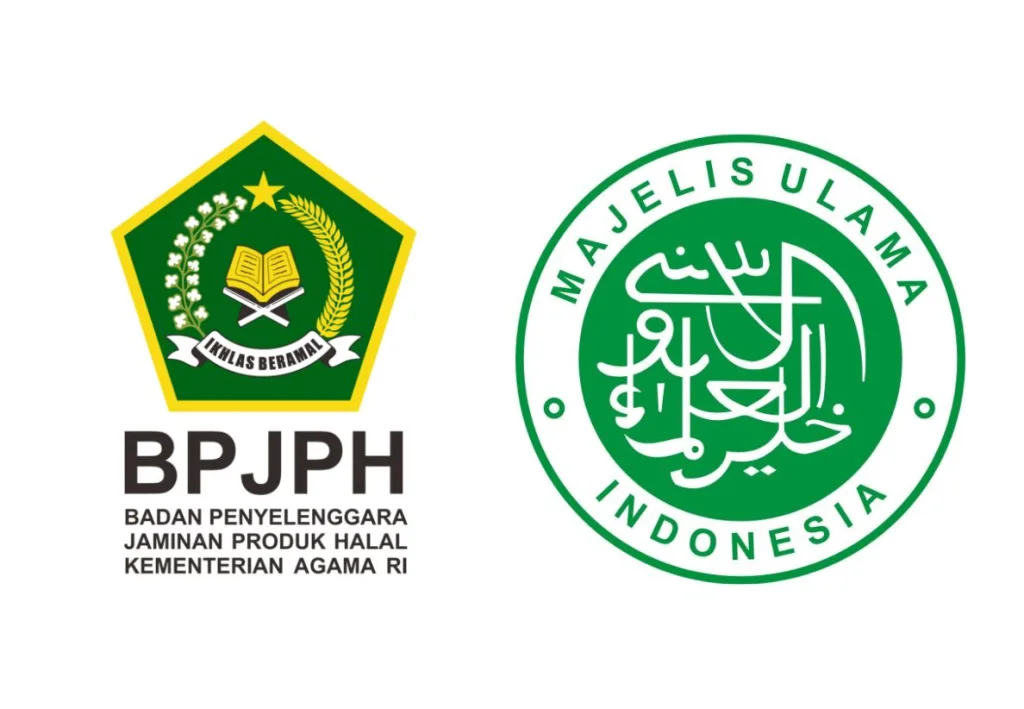
These are common questions we receive from international clients exporting food, cosmetics, and raw materials to Indonesia. With the significant regulatory shift from the Indonesian Ulema Council (MUI) to the Halal Product Assurance Organizing Agency (BPJPH) under the Ministry of Religious Affairs, the physical appearance and legal nature of the Halal certificate have changed.
Understanding these changes is not just about aesthetics; it’s about compliance. A misinterpretation of the certificate’s validity or scope can lead to customs rejection or retail distribution issues.
2. Your Strategic Partner: INSIGHTOF Consulting
INSIGHTOF Consulting Indonesia specializes in navigating the complex regulatory landscape of Indonesian market entry. From Medical Devices (Alkes) to Halal certification, we provide end-to-end support. We don’t just process documents; we ensure your entire supply chain—from raw materials to final packaging—meets the strict standards of BPJPH and LPH (Halal Inspection Agencies).
With over 1,000 successful registrations, our team bridges the gap between your manufacturing team and Indonesian regulators, ensuring a smooth and compliant certification process.
3. The Anatomy of the BPJPH Halal Certificate
The modern Indonesian Halal Certificate is a single sheet document issued by BPJPH. While the MUI still plays a critical role in determining the fatwa (religious ruling), the administrative authority and issuance lie with BPJPH.
Here is a detailed breakdown of the 10 key elements you will find on the official certificate:
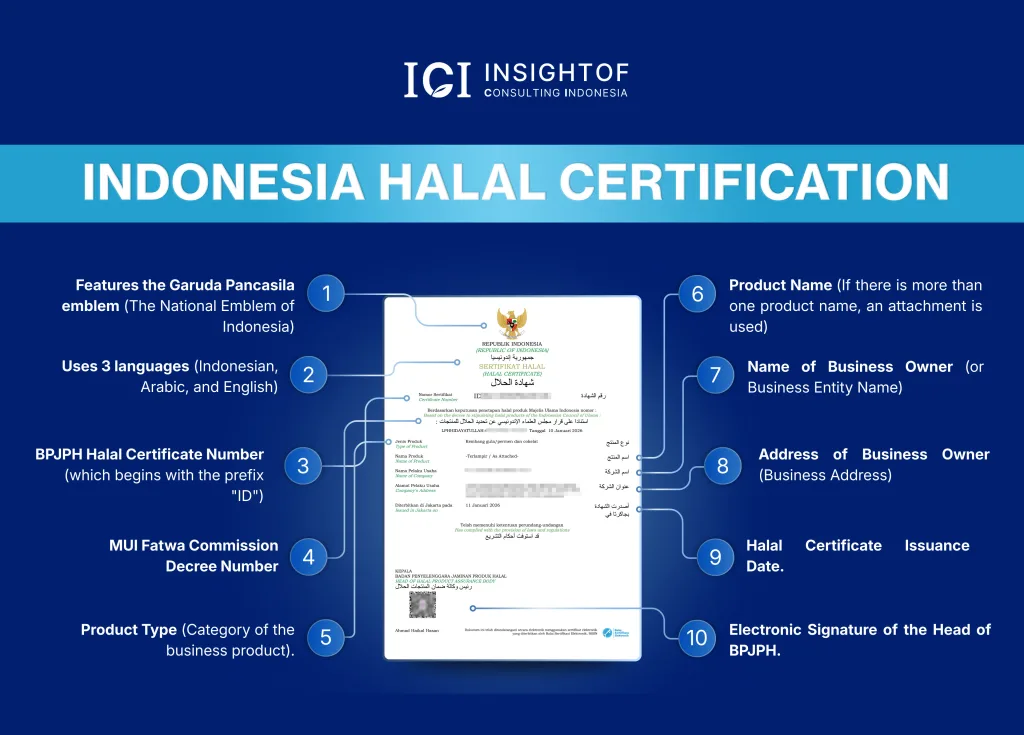
| No. | Element | Description |
| 1 | Garuda Pancasila Emblem | The National Emblem of Indonesia. Its presence signifies that this is an official state document issued by a government body (BPJPH), not a private organization. |
| 2 | Trilingual Text | The certificate uses Indonesian, Arabic, and English to accommodate international trade and Islamic standards. |
| 3 | Halal Certificate Number | The unique identifier issued by BPJPH. It always begins with the prefix “ID” followed by a series of digits. This is the number used for tracking and verification. |
| 4 | MUI Fatwa Number | This references the specific religious decree (Fatwa) issued by the MUI Fatwa Commission, confirming the product has passed Islamic law requirements. |
| 5 | Product Type | Specifies the category of the certified item (e.g., Food, Beverage, Cosmetic, Chemical Product). |
| 6 | Product Name | The commercial name of the product. Note: If there are many products (e.g., 50 SKU variants), an attachment page will be used. |
| 7 | Business Owner Name | The name of the legal entity or individual who owns the business (e.g., PT. Your Company Name). |
| 8 | Business Address | The registered legal address of the business owner. |
| 9 | Issuance Date | The date the certificate was officially issued by BPJPH. |
| 10 | Electronic Signature | The digital signature of the Head of BPJPH. This ensures authenticity and allows for digital verification. |
4. The Transition: MUI vs. BPJPH
It is crucial to understand that the “Old” system (MUI-centric) is currently in a transition period towards the “New” system (BPJPH-centric). While old MUI certificates are still valid until their expiration, all new applications and renewals must follow the BPJPH standard.
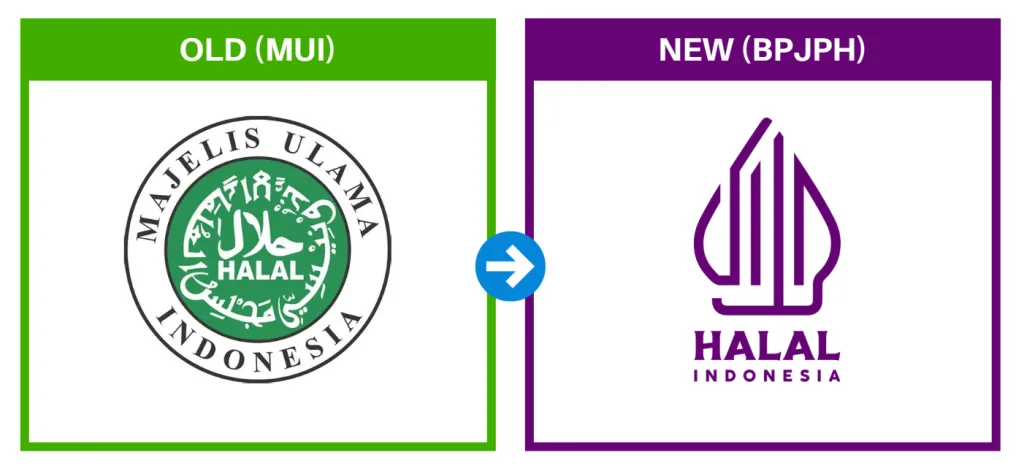
| Feature | Old | New |
| Issuing Body | LPPOM MUI | BPJPH (Ministry of Religious Affairs) |
| Role of MUI | Auditor & Issuer | Fatwa Decision Maker Only |
| Certificate Validity | 2 Years | Permanent (Lifetime)* |
| Official Logo | Green Circular Stamp | Purple “Gunungan” Wayang Shape |
| Verification | MUI Website | SIHALAL System / BPJPH App |
> Note: The permanent validity is still under review and applies as long as there are no changes to the ingredients (composition) or the Halal Product Process (PPH). If you change a supplier or recipe, you must update the certification.
5. Verification: How to Check Validity
Receiving a PDF certificate is not enough; you must verify it. Counterfeit certificates do exist.
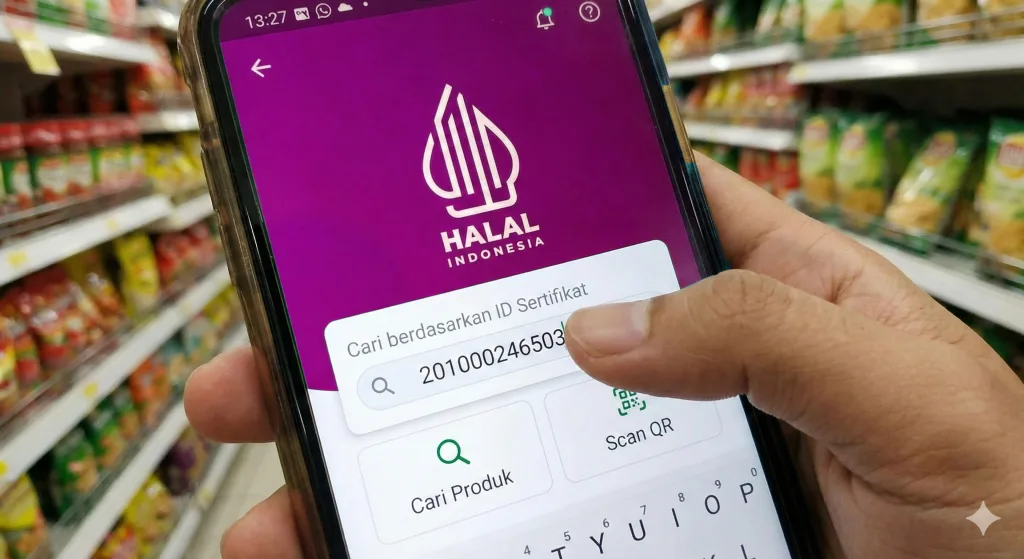
- Check the “ID” Number: Ensure the certificate number starts with “ID”.
- Scan the QR Code: The official certificate usually contains a QR code that links directly to the BPJPH database.
- Use the App: You can verify status through the “SiHalal” application or the BPJPH official website.
6. Frequently Asked Questions (FAQ)
Q: What is the difference between MUI and BPJPH in halal certification?
A: Previously, halal certification in Indonesia was managed by MUI through LPPOM MUI. Under the current system, BPJPH (under the Ministry of Religious Affairs) is the official authority that issues halal certificates, while MUI’s role is limited to issuing halal fatwas (religious decisions)..
Q: I have an old MUI certificate that expires in 2025. Do I need to switch now?
A: You can wait until it expires. However, if you plan to change packaging designs or launch new marketing campaigns, we strongly recommend migrating to the BPJPH certification and the new logo sooner to ensure long-term compliance and brand consistency.
Q: What happens if we change ingredients, suppliers, or production processes?
A: If there are any changes to raw materials, suppliers, formulations, or the Halal Product Process (PPH), the halal certification must be updated or re-submitted to BPJPH, even if the certificate is labeled as permanent.
Q: My product is manufactured in Korea/Japan. Do I need an Indonesian certificate?
A: Ideally, yes. While Indonesia accepts certificates from recognized foreign Halal certification bodies (Mutual Recognition Agreement – MRA), having a direct BPJPH certificate is often smoother for customs clearance and retail distribution within Indonesia. If you use a foreign certificate, it must be registered (Foreign Certificate Registration) with BPJPH to be valid for local distribution.
7. How INSIGHTOF Consulting Indonesia Can Help
Navigating the transition from MUI to BPJPH can be confusing. INSIGHTOF Consulting Indonesia is your dedicated partner for Halal compliance.
Our Services Include:
- Halal Assurance System (SJPH) Setup: We help you create the mandatory Halal Manual.
- Auditor Guidance: We prepare your factory and team for the LPH audit (both onsite and remote).
- Document Review: We prescreen all ingredient documents to ensure they meet the “Halal” or “Positive List” criteria.
- BPJPH Submission: We handle the entire account registration and submission process on the SIHALAL portal.
Don’t let administrative hurdles delay your product launch. Ensure your product is Halal-certified and ready for the world’s largest Muslim consumer market.
Conclusion
The Indonesian Halal Certificate has evolved into a robust state-issued document with specific legal weight. Understanding its 10 key elements—from the Garuda emblem to the ID number—is essential for any business operating in Indonesia. With the shift to lifetime validity, getting certified now is a long-term investment in your brand’s market access.
Ready to secure your Halal Certificate?
Contact INSIGHTOF Consulting Indonesia today for a free consultation on your product’s Halal eligibility.
#HalalIndonesia #BPJPH #HalalCertification #HalalAudit #LPPOMMUI #RegulatoryAffairs #IndonesiaMarketEntry #FoodSafety #HalalLogistics #HalalCompliance #ConsumerGoods #HalalLogo #BusinessInIndonesia #InsightofConsulting #RAExpert #HalalCertificateID #JaminanProdukHalal