Indonesia’s medical devices (Alat Kesehatan) and household health supplies (PKRT) sector reached a historic inflection point in 2025. Under the joint direction of the Ministry of Health (Kemenkes) and the National Agency of Drug and Food Control (BPOM), regulation shifted decisively from passive administrative control toward digitally integrated, risk-based, and enforcement-driven governance.
Three strategic pillars defined this transformation: Digital Sovereignty, Economic Nationalism, and Risk-Based Consumer Protection. Drawing from a comprehensive 2025 regulatory research report, INSIGHTOF Consulting Indonesia highlights ten developments that fundamentally reshaped the compliance and commercial landscape.
Risk-Based Licensing Becomes the Industry’s Operating System
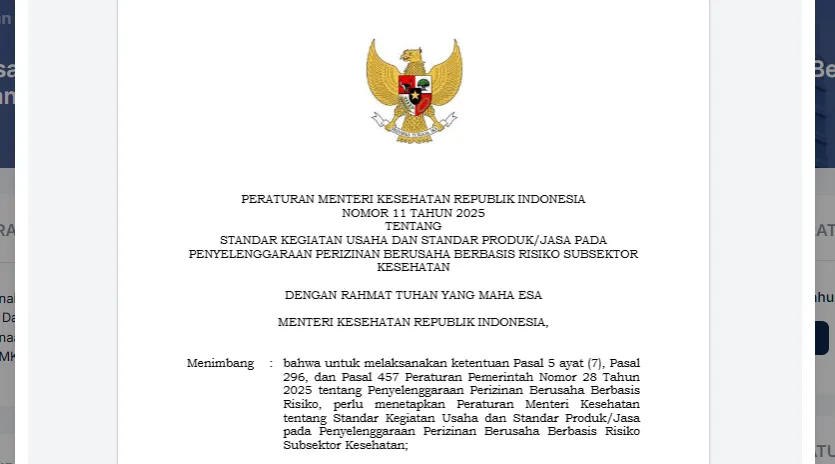
Permenkes No. 11 of 2025
Kemenkes cemented risk-based licensing as the backbone of Indonesia’s health-sector governance through Permenkes No. 11/2025. This regulation formally locked technical certifications—such as CDAKB for distributors—into the Online Single Submission (OSS) system.
For medical device distributors (KBLI 46691), compliance became binary: without CDAKB, the Business Identification Number (NIB) cannot function operationally. Licensing is no longer a procedural step; it is a system-enforced gatekeeper.
“The Great Freeze”: Total System Shutdown Exposes Digital Dependency
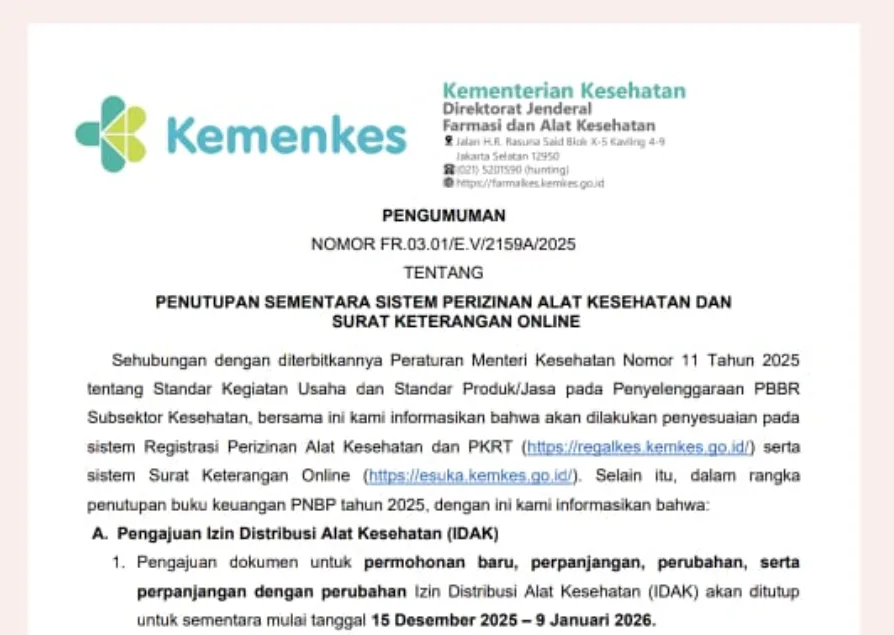
December 2025 Licensing Freeze
One of the most disruptive events of 2025 was the complete suspension of Kemenkes licensing systems between 15 December 2025 and 9 January 2026. This “Great Freeze” halted:
- Medical Device Distribution Licenses (IDAK)
- Marketing Authorizations (AKD/AKL & PKRT)
- Export–import certificates (E-SUKA)
Products whose licenses expired during this window were legally considered illegal starting 1 January 2026 unless renewed before strict cut-off dates.
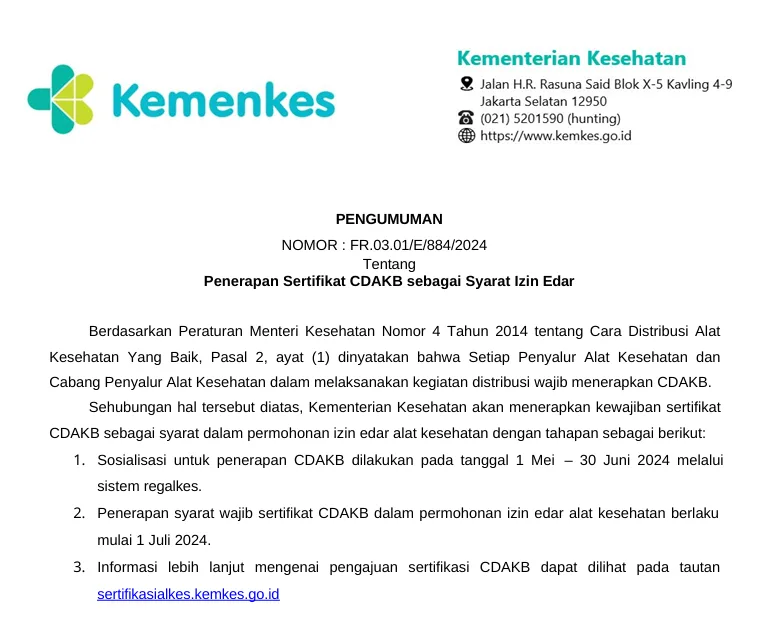
CDAKB and CPAKB Become Mandatory
In 2025, CDAKB (Good Distribution Practice) and CPAKB (Good Manufacturing Practice) crossed a critical threshold. These certifications are no longer “best practices” but mandatory prerequisites embedded in OSS, E-Catalog, and procurement systems.
Companies failing audits are not merely sanctioned—they are systemically blocked from operating, bidding, or renewing licenses. Compliance maturity has become a survival requirement.

Halal Certification Pressure Intensifies Ahead of 2026 Deadline
Although the mandatory halal deadline for Class A medical devices falls in October 2026, 2025 became the year of regulatory pressure.
BPJPH intensified audits for products containing Animal-Derived Materials (ADM), such as:
- Catgut sutures
- Collagen-based wound dressings
- Biological heart valves
To mitigate global supply disruption, Indonesia expanded Mutual Recognition Agreements (MRA) for foreign halal certificates—critical for imported raw materials.

Cold Ongoing Updates to Standards
Kemenkes emphasized that its regulatory framework is continually updated. For example, it publicly noted that the list of accredited test labs (and related reference data) will be refreshed regularly as new standards emerge Similarly, nomenclature (the “Pharmacy & Device Dictionary”) and online tools are being revised to capture new device categories. In short, stakeholders are warned that regulations and official reference data will evolve with science. Kemenkes’ message is clear – device regulations will adapt to technological advances, and manufacturers must keep pace.
Global Supply-Chain Collaboration
Kemenkes stepped onto the world stage in 2025 by showcasing Indonesia’s health supply-chain to international peers. In September 2025 it hosted the Supply Chain Leaders Forum (SCLF), welcoming 24 senior supply-chain officials from ~30 countries in Africa and Asia. The delegation toured Indonesia’s central pharmaceutical warehouse in Jakarta, where officials demonstrated the nation’s digital logistics systems: end‑to‑end stock monitoring via the national digital health platform SATUSEHAT, automated warehouse management (WMS with barcodes/RFID), and cold-chain tracking. By sharing these innovations, Kemenkes emphasized Indonesia’s commitment to transparent, resilient logistics. Observers saw firsthand how regulatory digitization (e-inspection, real-time traceability) strengthens the device and medicine supply.
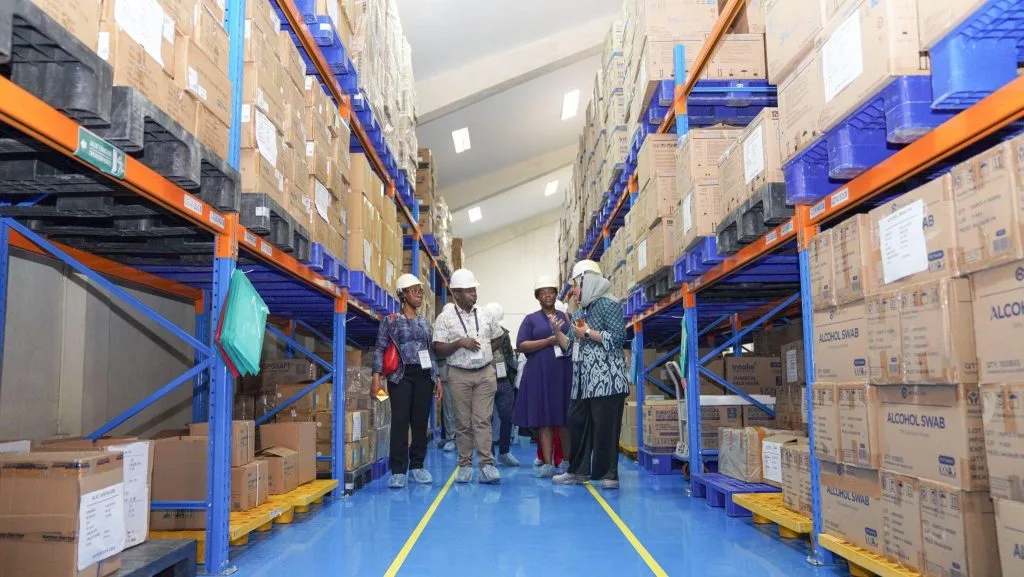
Photo Sources : Setditjen Farmalkes
Promoting Domestic Device Industry
Amid these stricter rules, Kemenkes has concurrently championed local manufacturing. By mid‑2025 there were 812 domestic device producers and 5,661 distributors operating in Indonesia. To showcase this industry, the Directorate of Farmalkes co-hosted “ExpoMed 2025” in July 2025 (with the Indonesian device-makers association, ASPAKI). The Palembang expo brought together 64 local manufacturers of devices and testing equipment, with seminars and business-matching to help hospitals and buyers discover Indonesian products. According to Kemenkes data, the effort is paying off: local-device usage in public health facilities jumped to 48% in 2024 (up from just 12% in 2019). Kemenkes is also pushing policies (in procurement and regulation) to favor safe, in-country devices.

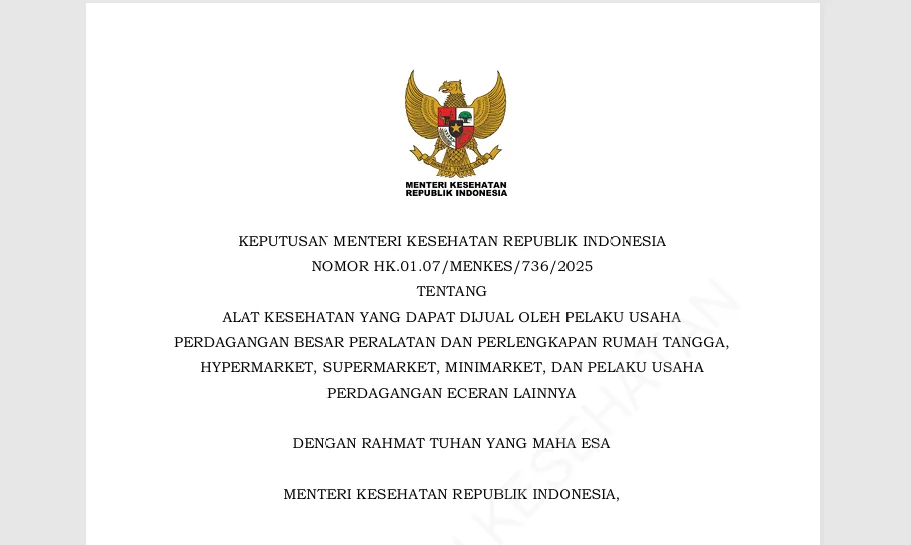
Minister of Health Decree No. HK.01.07/MENKES/736/2025 – Medical Devices Permitted for Retail Sale
In 2025, the Ministry of Health of the Republic of Indonesia issued Minister of Health Decree No. HK.01.07/MENKES/736/2025, which specifically regulates the types and criteria of low-risk medical devices permitted to be marketed through general retail channels.
Through this decree, the government provides legal clarity regarding medical devices that may be sold in supermarkets, minimarkets, household goods stores, and other modern retail outlets, without requiring distribution exclusively through healthcare facilities.
Medical devices included under this regulation are generally classified as low-risk medical devices intended for independent use by the general public and that do not require operation by medical professionals, including but not limited to:
- Thermometers
- Pulse oximeters
- Blood pressure monitors
- Medical masks
- Pregnancy test kits
- Mobility aids
- Other low-risk medical devices as listed in the decree
However, despite being permitted for retail sale, all products must still comply with applicable marketing authorization (izin edar), quality standards, as well as labeling and product information requirements in accordance with prevailing regulations. This decree further emphasizes that not all medical devices may be freely distributed through retail channels, and business actors are required to conduct proper product classification and regulatory compliance verification prior to distribution.
Industry Concerns Over Mandatory Halal / Non-Halal Labeling
In parallel with regulatory tightening, industry associations such as APACMed have expressed concerns regarding the introduction of binary halal labeling requirements, which classify medical devices strictly as either “Halal” or “Non-Halal”, often accompanied by explicit ingredient disclosures such as “Contains Porcine Material.”
Sources: https://apacmed.org/wp-content/uploads/2023/08/IQVIA-APACMed-Industry-Position-Paper_-Bahasa-Indonesia.pdf
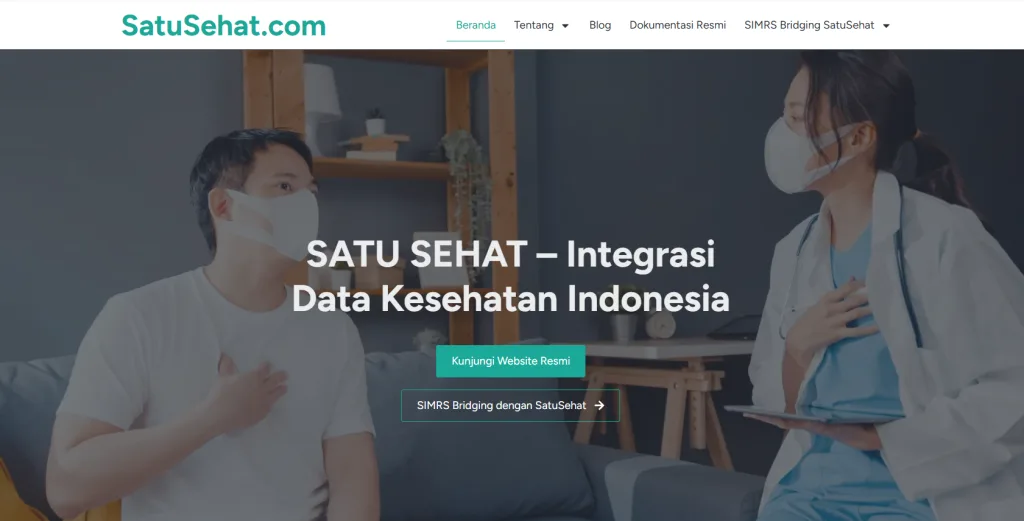
SATUSEHAT Integration Expands Beyond Healthcare Services
In 2025, Indonesia significantly expanded the scope of SATUSEHAT, transforming it from a healthcare data platform into a regulatory enforcement tool for medical devices and health supply chains.
Product identifiers, distributor status, warehouse information, and distribution scope must now align digitally. Discrepancies between systems are no longer treated as administrative errors, but as compliance risks that can trigger audits, license suspension, or procurement exclusion.
About INSIGHTOF Consulting Indonesia
INSIGHTOF Consulting Indonesia provides end-to-end regulatory affairs services for companies entering and operating in the Indonesian market. Our expertise covers BPOM and Ministry of Health (Kemenkes) registrations for cosmetics, medical devices, food, PKRT (household health supplies), health supplements, and Halal certification.
Amid this regulatory storm, regulatory consultants such as PT. ICI (Insightof Consulting Indonesia) play a vital role as compliance navigators.
A Lifesaver During the “System Freeze”: Insightof helps clients anticipate the system shutdown period in December 2025 by ensuring that all renewal applications are submitted before the December 12 cut-off date and that billing codes are fully paid.
CDAKB & CPAKB Audit Assistance: As CDAKB has now become a mandatory requirement in the OSS and the E-Catalogue, Insightof provides end-to-end audit assistance services. These include the development of Standard Operating Procedures (SOPs), staff training, pre-audit gap analysis, and on-site assistance during inspections conducted by Ministry of Health auditors. This service is particularly valuable for new distributors who are unfamiliar with the technical aspects of quality management systems.

Conclusion
Indonesia’s health sector has entered a new era—digital, nationalistic, and uncompromising. Businesses that invest in compliance infrastructure and expert regulatory navigation will not only survive, but dominate the next decade.