Indonesia’s medical device industry is entering a crucial transition phase as the mandatory Halal certification for Class A medical devices (Alkes Kelas A) approaches its October 2026 deadline.
Under the Halal Product Assurance (JPH) regulation, all low-risk medical devices distributed in Indonesia must either be Halal-certified or clearly labeled as non-Halal by that date.
What Is a Class A Medical Device?
In Indonesia, medical devices are classified into four risk levels (A, B, C, D), where Class A denotes products that present the lowest risk based on the potential impact of their use on the patient.
The definition is formalized under the Ministry of Health Regulation (PERMENKES) No. 14 of 2021.
To qualify as an Alkes Class A Notification product, the device must meet three key criteria:
- Home-use: Can be used safely by the public without assistance from healthcare professionals.
Example: walking cane, manual breast pump, or massage device. - Non-sterile: The product is supplied without sterilization and does not require controlled temperature or humidity during storage.
Example: adhesive bandages, gauze pads, or toothbrushes. - Not a Diagnostic Device (Non-DIV): Products that do not analyze biological samples or require laboratory expertise.
List of Class A Medical Devices
Based on the official list from the Directorate General of Pharmaceutical and Medical Devices (Ditjen Farmalkes), below are examples of Class A devices subject to notification and thus included in the upcoming Halal certification mandate:
| No. | Type of Product | Example |
|---|---|---|
| 1 | Arm sling | Arm fracture support, mitella |
| 2 | Body waste receptacle | Bedpan, urinal |
| 3 | Cane | Walking stick |
| 4 | Cane, crutch, and walker tips and pads | Pads for cane, crutch, and walker feet |
| 5 | Cold pack | Silica gel pouch for cold therapy |
| 6 | Crutch | Crutch |
| 7 | Dental floss | Dental cleaning thread |
| 8 | Elastic bandage | Elastic bandage |
| 9 | Flotation cushion | Cushion to prevent bedsores (decubitus) |
| 10 | Hernia support | Hernia support garment |
| 11 | Hot or cold disposable pack | Fever compress pack |
| 12 | Hot/cold water bottle | Hot/cold water bag for therapy |
| 13 | Ice bag | Ice bag for therapy |
| 14 | Limb orthosis | Arm, leg, or knee brace; corrective shoes |
| 15 | Manual breast pump | Manual breast pump |
| 16 | Manual toothbrush | Manual toothbrush |
| 17 | Mechanical wheelchair | Wheelchair |
| 18 | Mechanical walker | Four-legged walking aid |
| 19 | Medical adhesive tape and adhesive bandage | Adhesive plaster or bandage |
| 20 | Medical disposable bedding | Disposable underpad, bedsheet, or pillow cover |
| 21 | Medical insole | Heel insole |
| 22 | Moist heat pack | Silica gel pouch for heat therapy |
| 23 | Nipple shield | Nipple protector for breastfeeding |
| 24 | Nonresorbable gauze/sponge for external use | Non-sterile gauze or sponge for wound covering |
| 25 | Ophthalmic eye shield | Post-surgery eye shield (plastic/aluminum), non-sterile |
| 26 | OTC denture cleanser | Denture cleaner |
| 27 | Patient scale | Infant/adult weighing scale (for non-standing patients) |
| 28 | Protective garment for incontinence | Adult diaper |
| 29 | Scented or deodorized menstrual pad | Perfumed sanitary pad or pantyliner |
| 30 | Stand-on patient scale | Adult weighing scale |
| 31 | Teething ring | Solid teether without liquid content |
| 32 | Therapeutic massager | Massage chair or massage device |
| 33 | Truncal orthosis | Waist, neck, or lumbar support corset |
| 34 | Unscented menstrual pad | Non-perfumed sanitary pad or pantyliner |
These items are typically home-use, non-sterile, and mass-produced, which makes them the first category of medical devices that must comply with Halal certification requirements by October 2026.
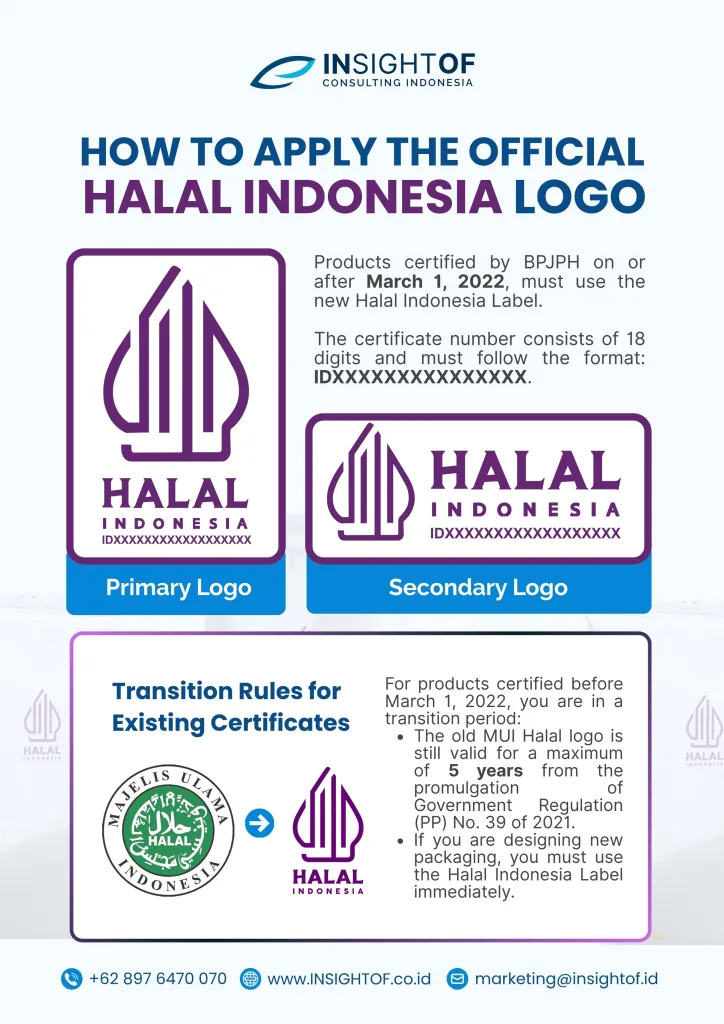
Labeling for Non-Halal Medical Devices
Medical Devices with Forbidden Ingredients
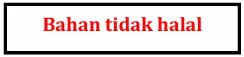
For medical devices containing forbidden ingredients or materials not sourced from halal sources, the non-halal label must display the name of the ingredient in a different color that is easily visible, readable, and resistant to removal, detachment, and damage. Forbidden materials include carrion, blood, pork, and/or animals slaughtered in a manner not compliant with Islamic law. An example of how to label this information is as follows:
- In Indonesia: “Bahan tidak halal”
- In English: “Non-halal ingredients”
Medical Devices with Halal Ingredients but Non-Halal Processes
For medical devices made from halal ingredients but manufactured using non-halal processes, the non-halal label must indicate the origin of the materials with the ingredient name in a different color that is easily visible, readable, and resistant to removal, detachment, and damage. Such devices are made with materials that have halal certification but involve the use or contact with forbidden materials during the manufacturing process. An example of how to label this information is as follows:
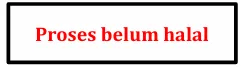
In English: “Process not halal yet”
In Indonesia: “Proses belum halal”
Reference:
Regulation of the Minister of Health of the Republic of Indonesia Number 3 of 2024
Key Takeaway
By October 2026, all Class A medical devices distributed in Indonesia must have Halal certification or be labeled accordingly.
The Alkes Kelas A list — including items such as toothbrushes, bandages, breast pumps, and massage devices — represents the primary group affected by this regulation.
Companies are strongly advised to begin their Halal compliance preparation now to avoid disruption in market access once the rule takes effect.
Do you need assistance registering your product in Indonesia?
Contact us today to start your registration process.



.svg/240px-YouTube_social_red_squircle_(2017).svg.png)