In August 2025, the Halal Product Assurance Agency (BPJPH) of Indonesia issued Circular Letter No. 7 of 2025 concerning the Publication of Halal Products and the Obligation to Display the Indonesia Halal Label. This marks another important milestone in Indonesia’s transition toward a fully regulated halal ecosystem.
What Does the Circular Say?
The circular requires all businesses that have obtained a Halal Certificate from BPJPH to:
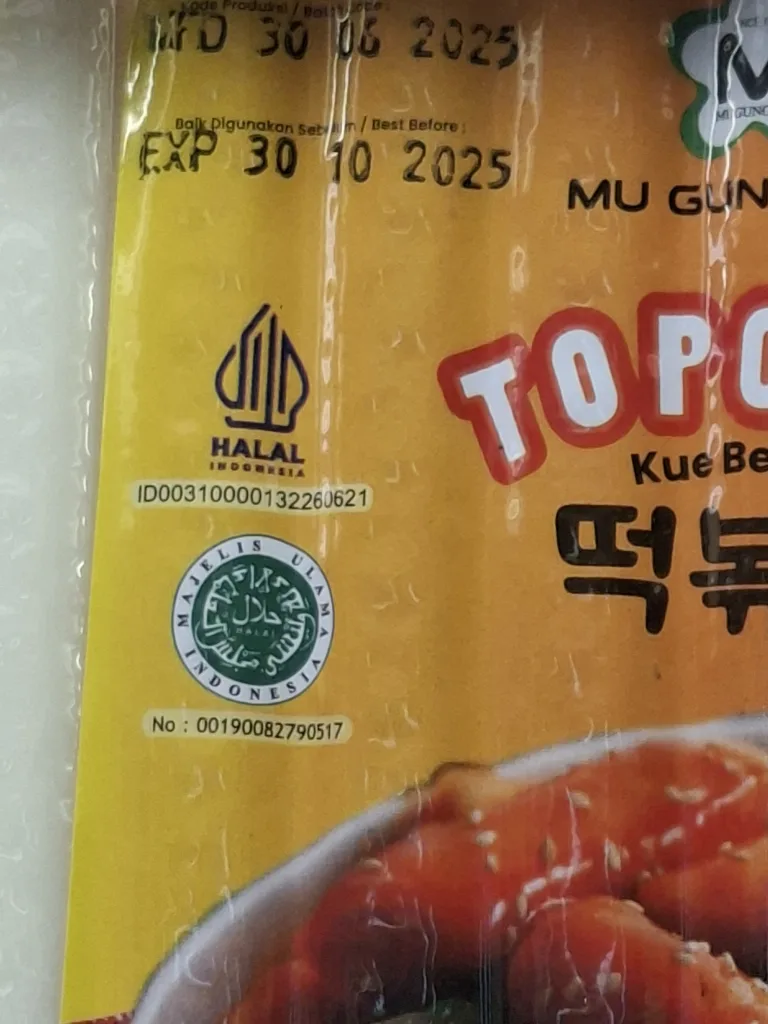
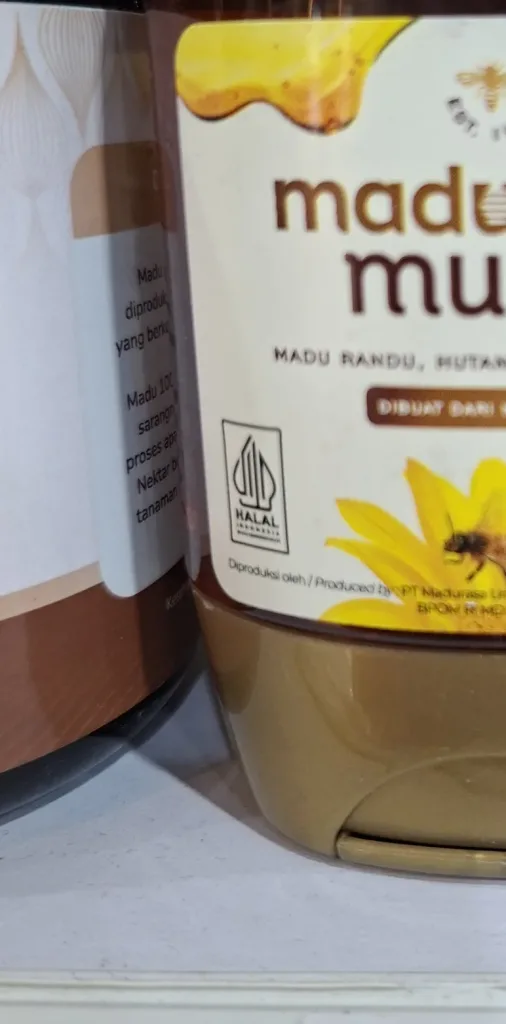
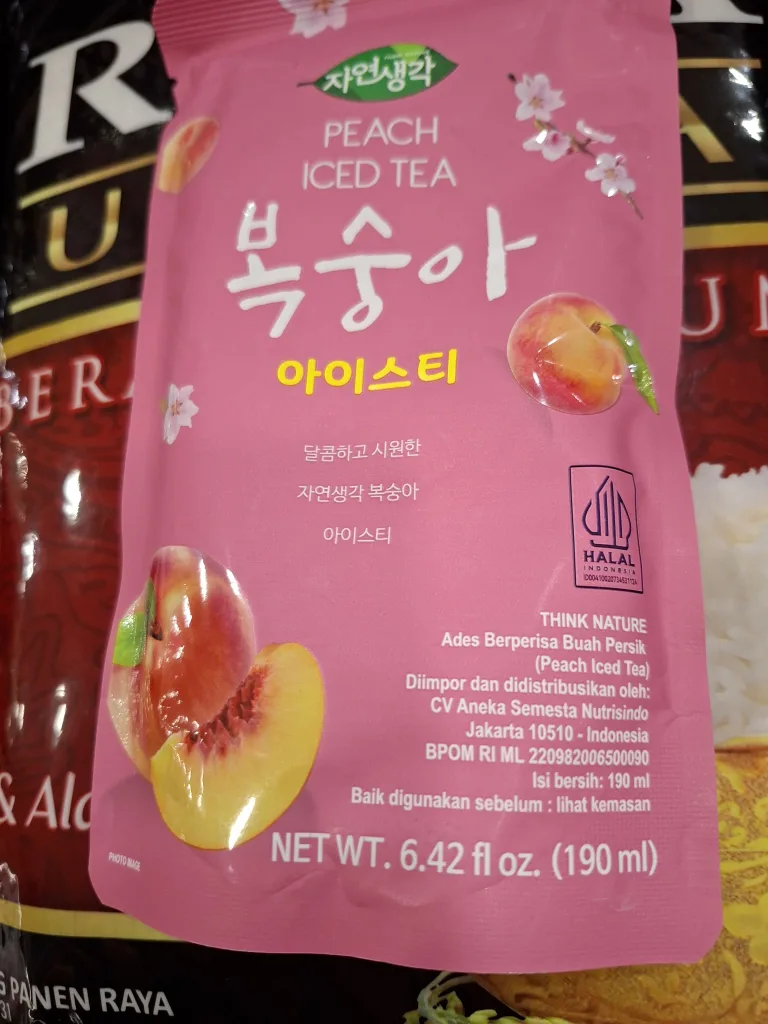
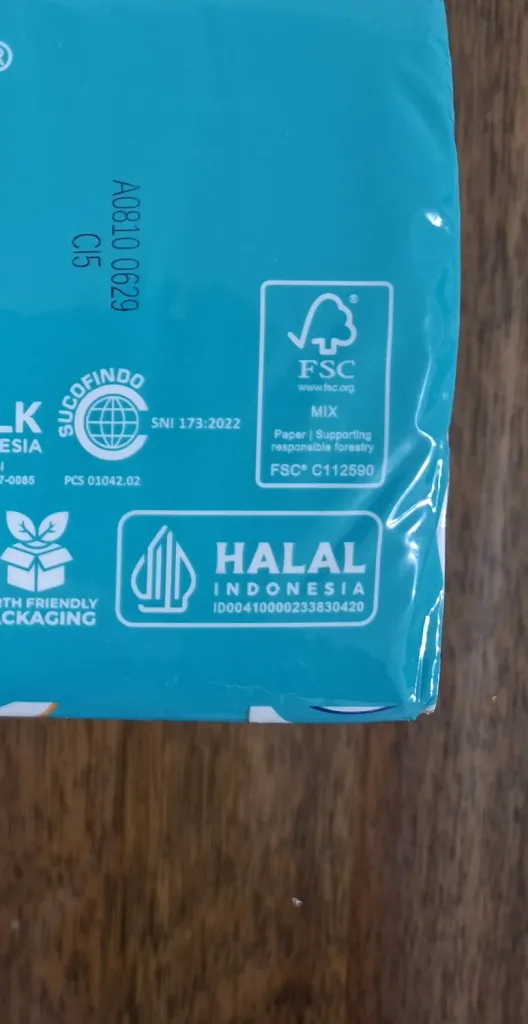
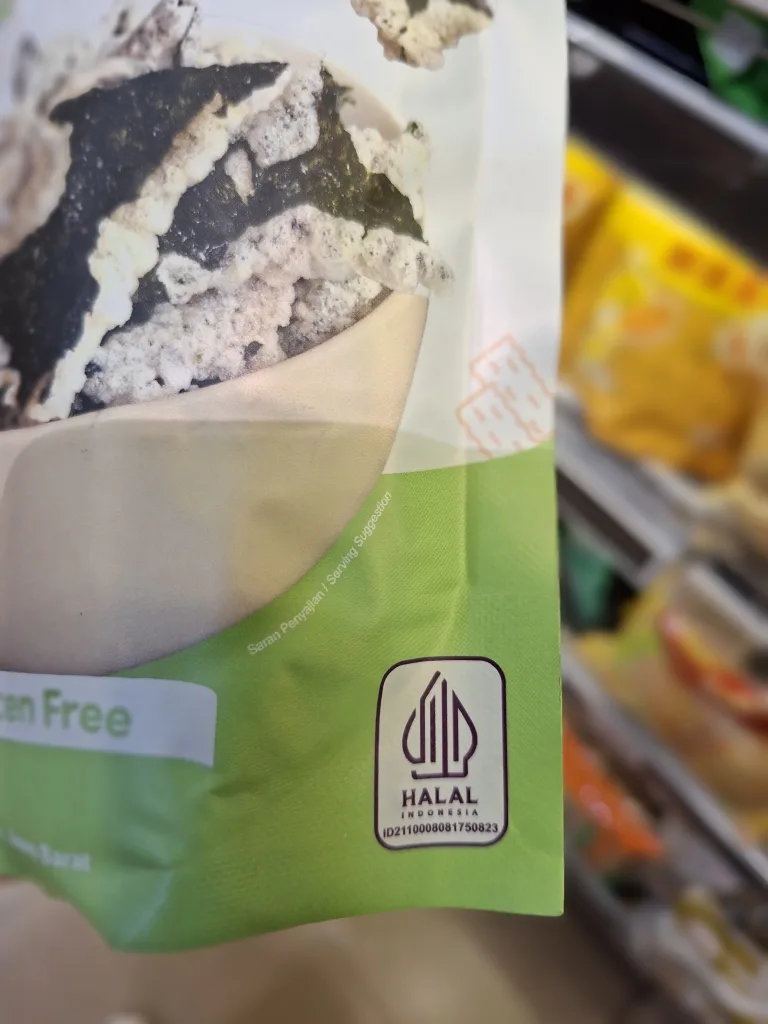
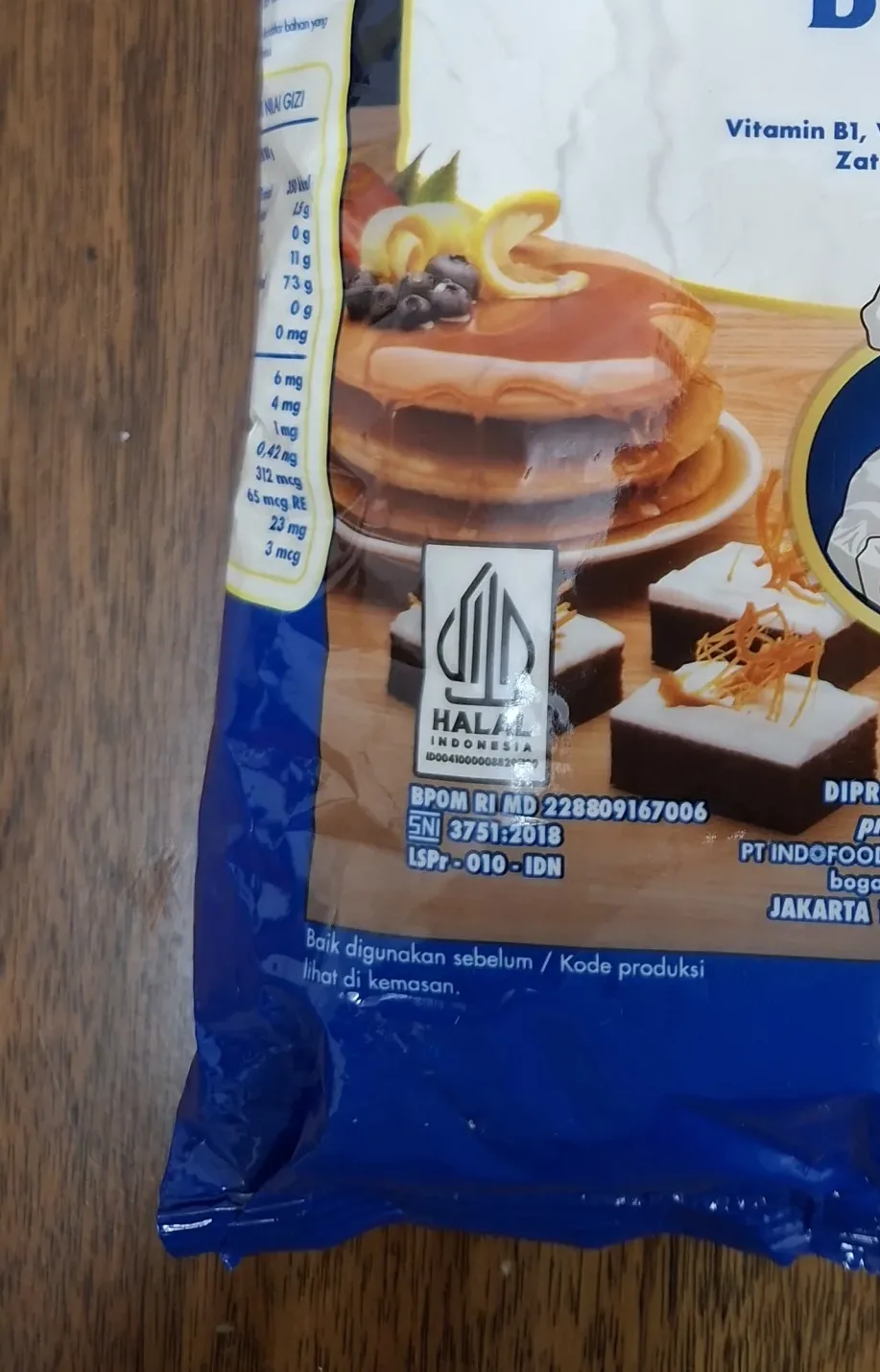
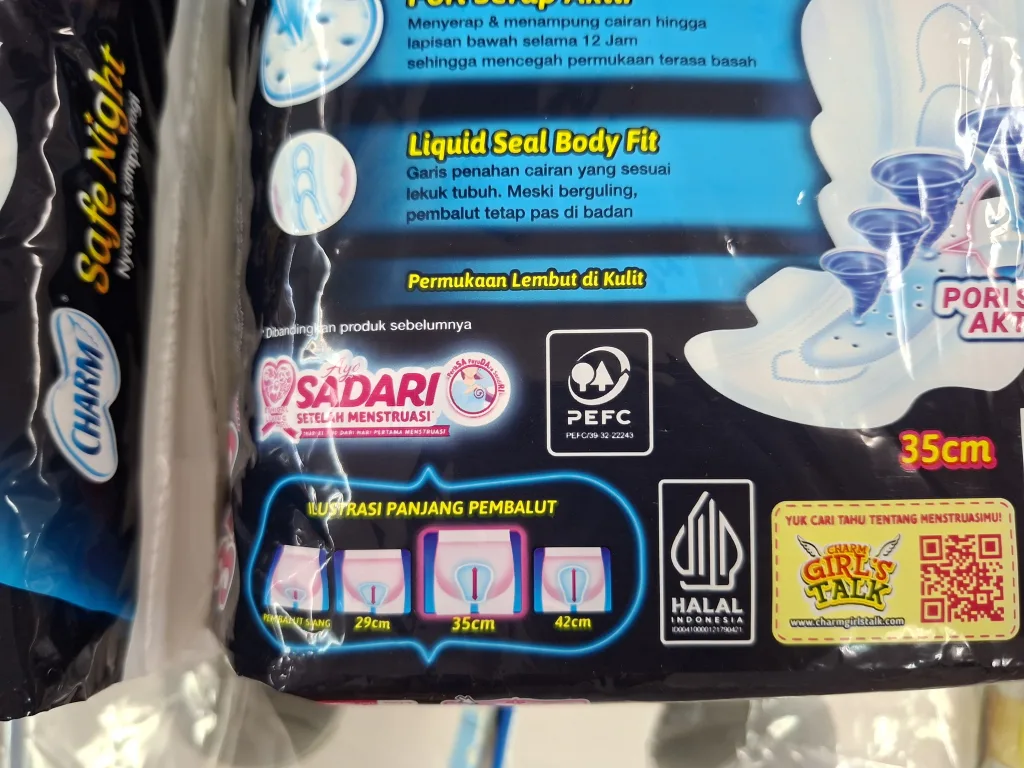
- Display the official Indonesia Halal Label
- The Halal label must be printed on product packaging, attached directly to the product, or placed in a designated location in accordance with regulations.
- This ensures transparency and provides accurate information to consumers regarding the halal status of a product.


- Publish Halal-certified Products Online
- Businesses must promote their halal-certified products through digital channels such as company websites, e-commerce platforms, social media accounts, and other promotional media.
- Publications must include at minimum the Indonesia Halal Label, and may also feature advertisements, product catalogs, or consumer testimonials.
- Mention Official BPJPH Accounts
- When publishing content on social media, companies are required to tag or mention BPJPH’s official accounts (Instagram, TikTok, X/Twitter, Facebook, Threads, YouTube).
- Engaging and educational content may be reposted by BPJPH, increasing visibility.
- Report Publications to BPJPH
- Businesses must send publication links to BPJPH via publikasi@halal.go.id.
- Sanctions for Non-Compliance
- Companies failing to display the Halal label on certified products may face administrative sanctions under Indonesian regulations.
- Monitoring and enforcement will be conducted by BPJPH in cooperation with other authorities.
Why Is This Important?
Indonesia is home to the world’s largest Muslim population. For consumers, halal labeling is not just a regulatory requirement—it directly affects purchasing decisions, trust, and brand reputation. By mandating both label display and digital publication, BPJPH is ensuring that halal certification becomes highly visible and transparent.
For businesses, this means:
- Stronger accountability in maintaining halal status across packaging and marketing.
- A legal obligation to integrate halal labeling in all distribution and promotional activities.
- Greater opportunities to leverage halal certification as a competitive advantage.
How INSIGHTOF Can Help
At INSIGHTOF, we support cosmetic, food & beverage, and medical device companies in navigating Indonesia’s halal and regulatory landscape. Our services include:
- Halal Certification Support → from application to labeling compliance.
- BPOM & MoH Registration → ensuring products meet Indonesia’s safety and quality standards.


- Regulatory Consulting → helping businesses align promotional and labeling strategies with the latest regulations.
- Local Representative Services (RP/CRO) → managing submissions and communications with authorities on your behalf.
Sources: Circular Letter No. 7 of 2025 (PDF)
Conclusion
With Circular No. 7/2025, the Indonesian government has reaffirmed that halal compliance is not just about certification—it is about visibility, trust, and consumer confidence. Businesses must now take proactive steps to ensure that every halal-certified product carries the official Indonesia Halal Label and is properly publicized.
👉 For guidance on complying with BPJPH’s new requirements and ensuring smooth market entry into Indonesia, contact INSIGHTOF today.