1. Nori as a Processed Food Product
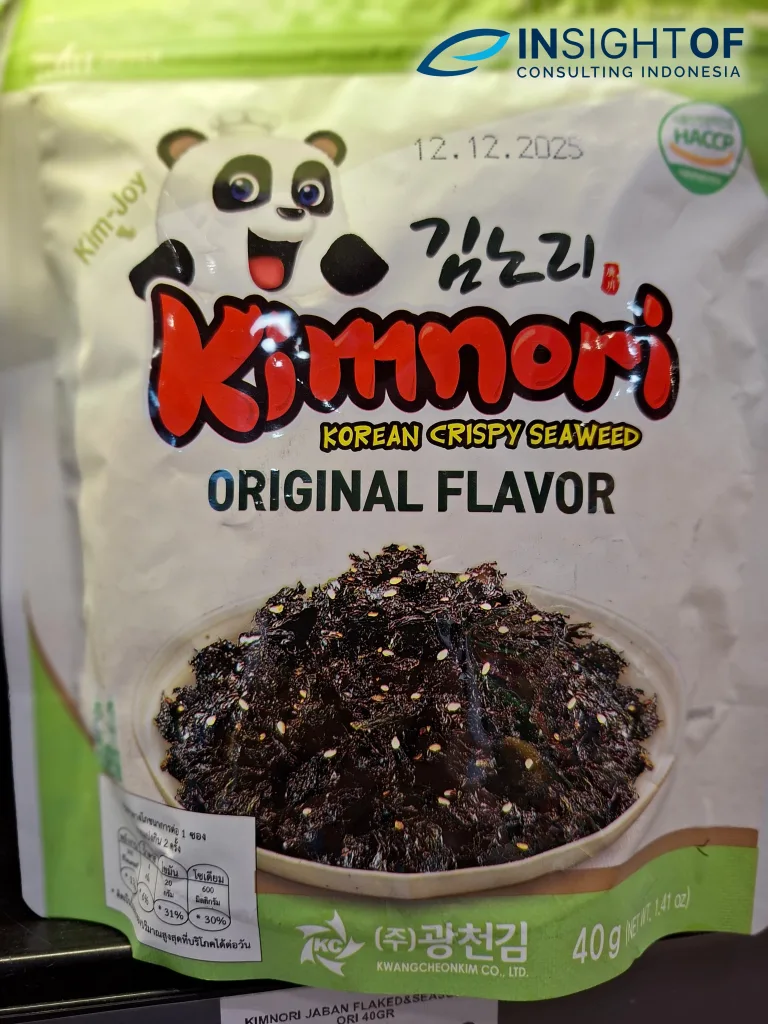
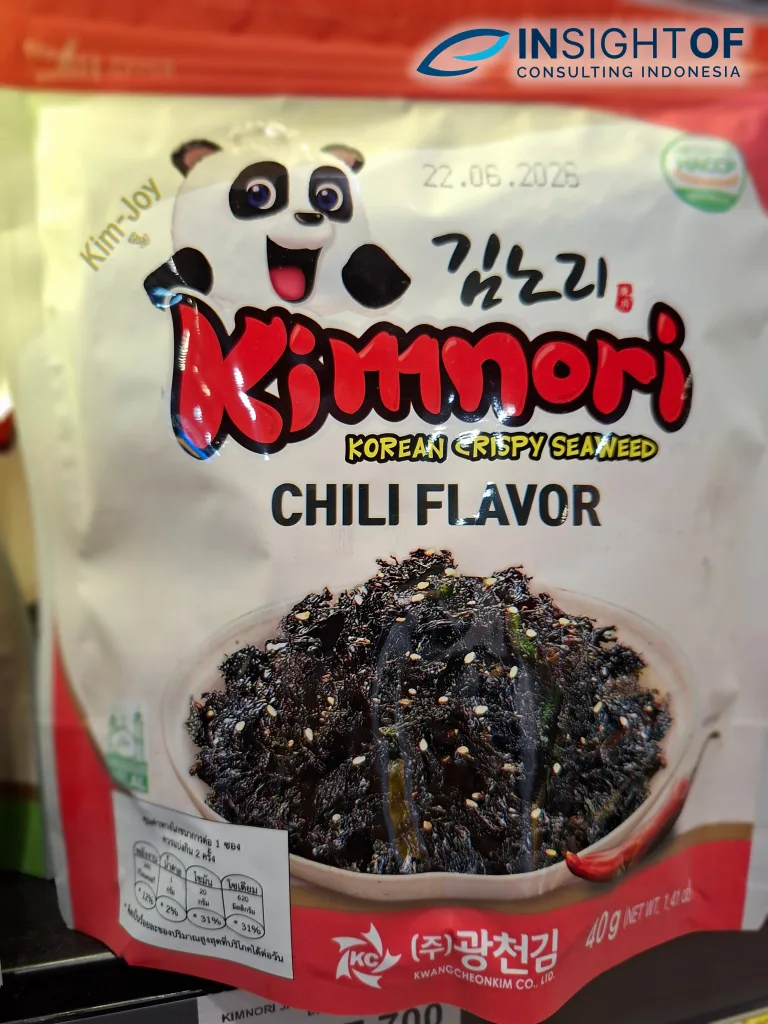
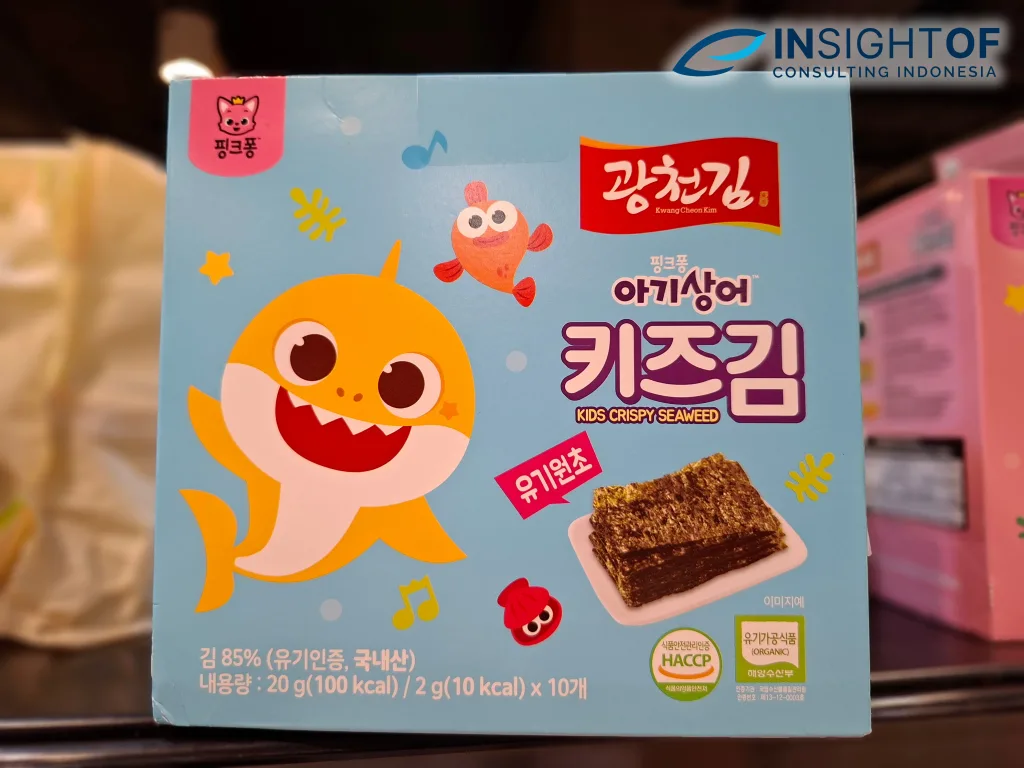
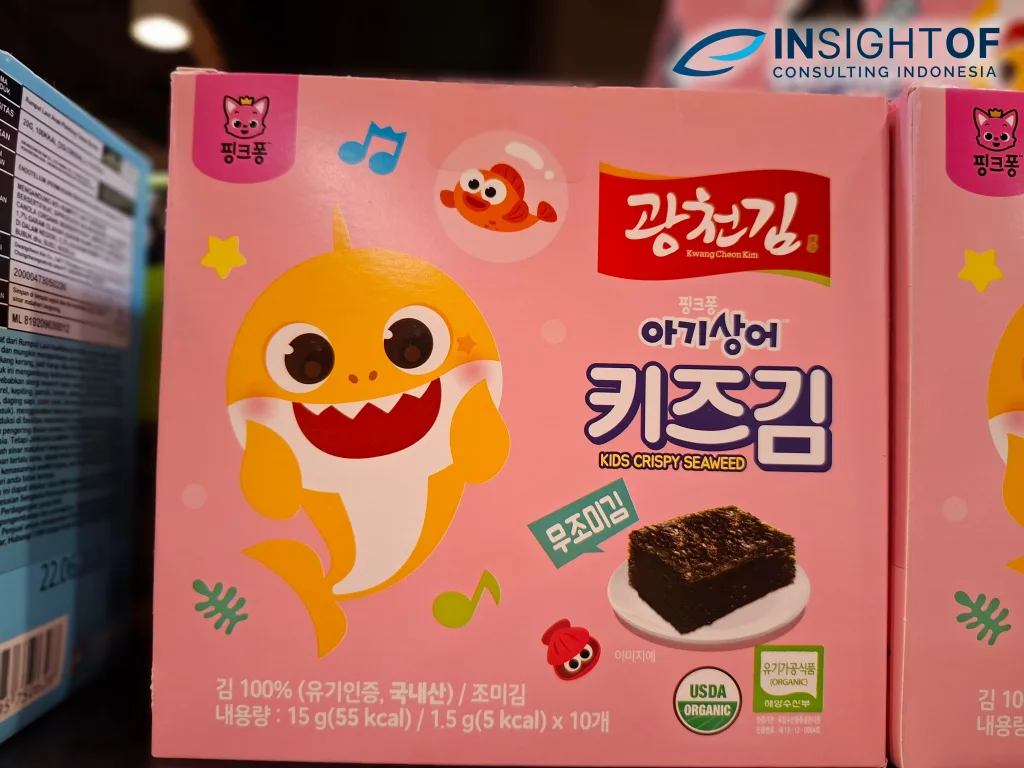
Nori, commonly known as seaweed sheets used in sushi or as snacks, is a processed fishery product made from Pyropia species (red algae). In Indonesia, nori is classified as a processed food product under the supervision of BPOM (National Agency of Drug and Food Control) and falls within the food category 4.2 – Fruits and vegetables (including seaweed) according to BPOM Regulation No. 13 of 2023 on Food Categories.
After harvesting, the seaweed undergoes a drying process and is often roasted and/or seasoned to produce the familiar crisp, edible sheets.
Common types include:
- Dried Nori (Nori Kering)
- Roasted Nori (Nori Panggang)
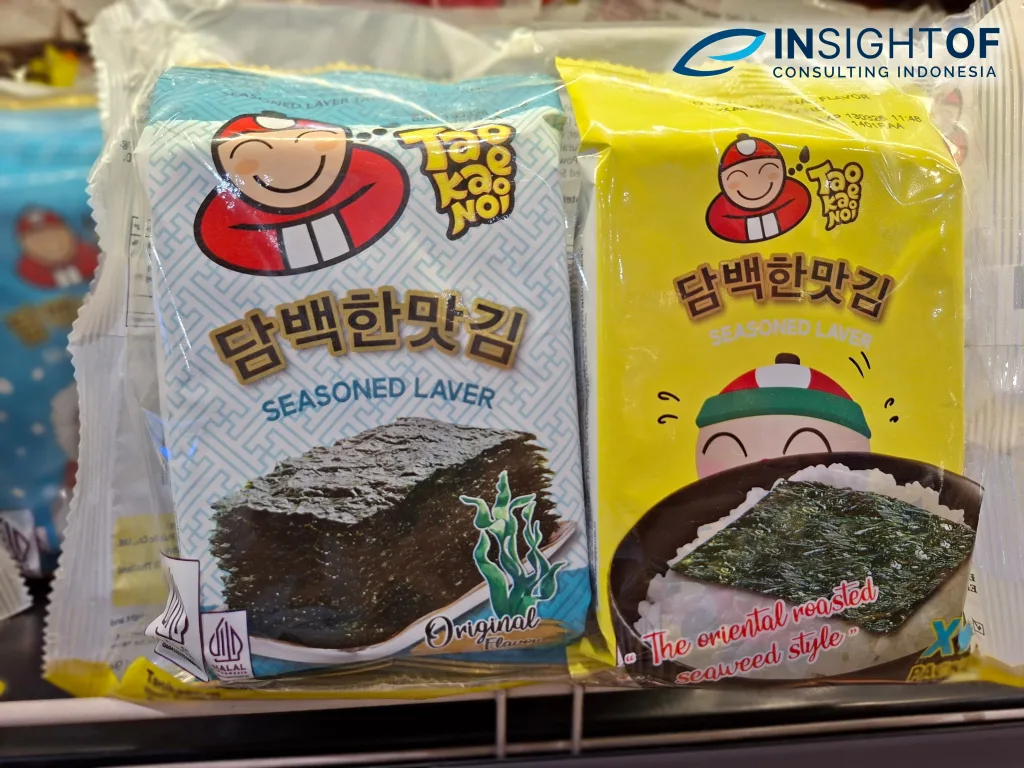
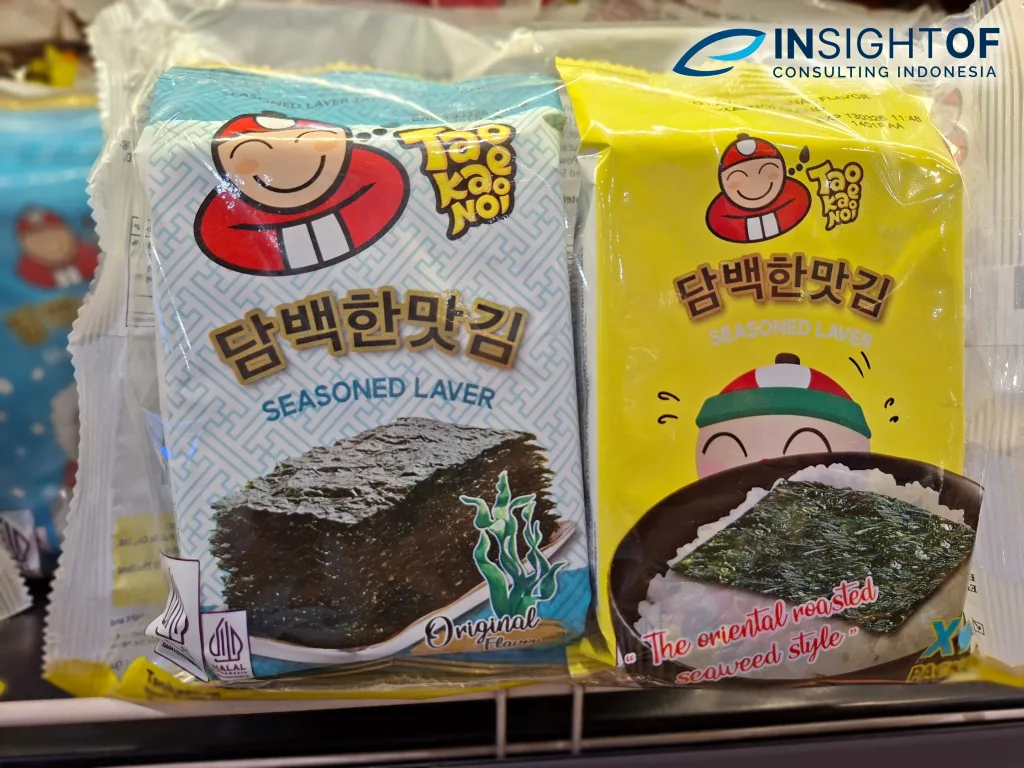
- Seasoned Nori (Nori Bumbu)
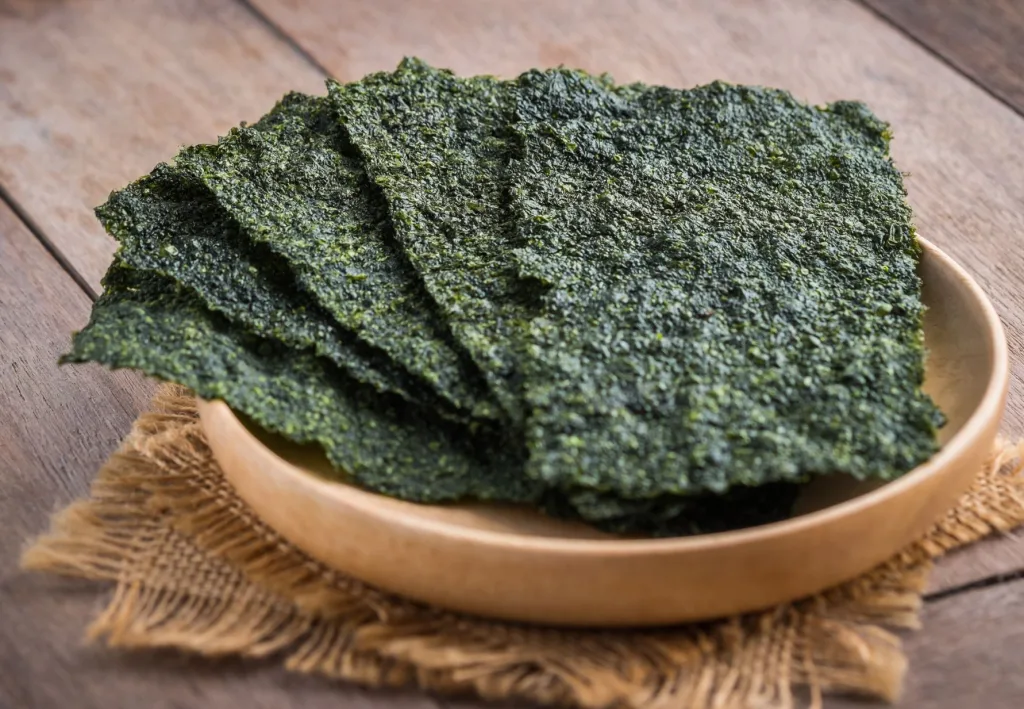
Nori
Category: 4.2 – Fruits and Vegetables (Seaweed and Derived Products)
Producer KBLI: 10299 – Fishery Processing and Preservation Industry (Other Aquatic Biota)
Importer KBLI: 46339 – Wholesale Trade of Other Food and Beverages
⚠️ Note: Nori is regulated as a processed food product, not as a raw agricultural material, meaning it must be registered with BPOM before being imported or distributed in Indonesia.
2. Why Nori Must Be Registered
Even though nori is derived from natural seaweed, it is considered a processed food under Indonesian law. This means all nori products — imported or locally manufactured — must be registered with BPOM to obtain a Marketing Authorization Number (Nomor Izin Edar BPOM) before sale in Indonesia.
BPOM registration ensures that the product:
- Meets Indonesian food safety and hygiene standards.
- Uses raw materials that are safe for consumption.
- Contains only permitted food additives (BTP).
- Complies with labeling and packaging requirements.
- Is traceable to a licensed manufacturer or importer in Indonesia.
Distributing unregistered nori products can lead to product seizure, import suspension, or administrative sanctions under BPOM regulations.

3. BPOM Registration Process for Nori Products
BPOM registration for nori follows the general processed food registration procedure through the e-Registration system (e-Registrasi Pangan Olahan).
Key Steps:
- Determine Food Category
Refer to BPOM Regulation No. 13 of 2023, which classifies nori under:
Category 4.2 – Fruits, Vegetables, and Seaweed. - Prepare Required Documentation
Include:- Product formulation (ingredients, additives, percentage composition).
- Production flow chart and process description.
- Packaging and labeling design.
- Certificate of Analysis (CoA) for raw materials.
- Manufacturer’s license (NIB/Industrial License or equivalent).
- Import documents (if applicable).
- Submit Application via BPOM Online Portal
Upload all documents and pay the non-tax state revenue (PNBP) fee. - Evaluation and Approval
BPOM will evaluate product safety, composition, labeling, and compliance.
Once approved, BPOM issues a Marketing Authorization Number (ML or MD), allowing legal distribution in Indonesia.
4. Halal Certification Requirement for Nori Products
Under Law No. 33 of 2014 on Halal Product Assurance (JPH) and Government Regulation No. 39 of 2021, all food products — including nori — must be halal-certified before being distributed in Indonesia.
Since nori often contains added ingredients (such as seasoning, oil, sugar, or flavor enhancers), the halal status must be verified for all materials and processing aids.
Halal Certification Deadline for Food Products:
🗓️ October 17, 2026 — All food products (including nori) must be halal-certified or labeled Non-Halal to continue distribution in Indonesia.
5. Halal Certification Process for Nori
Halal certification is managed by BPJPH (Halal Product Assurance Agency) in coordination with accredited Halal Inspection Bodies (LPH) such as LPPOM MUI or Sucofindo.
Step-by-Step Process:
- Material Verification
- Ensure all ingredients (seaweed, oil, salt, flavorings, etc.) are halal-certified.
- Avoid additives containing alcohol, animal-derived flavor enhancers, or gelatin unless verified halal.
- Production Process Audit
- Confirm that roasting or seasoning equipment is not contaminated with non-halal substances.
- Cleaning agents and packaging materials must also be halal-compliant.
- Facility Inspection
- The manufacturer must implement the Halal Assurance System (SJPH) and document halal control points throughout the production chain.
- Audit and Certification
- The LPH conducts an on-site audit.
- Once approved, BPJPH issues a Halal Certificate.
- Renewal and Monitoring
- Certificates must be renewed periodically and are subject to monitoring by BPJPH.
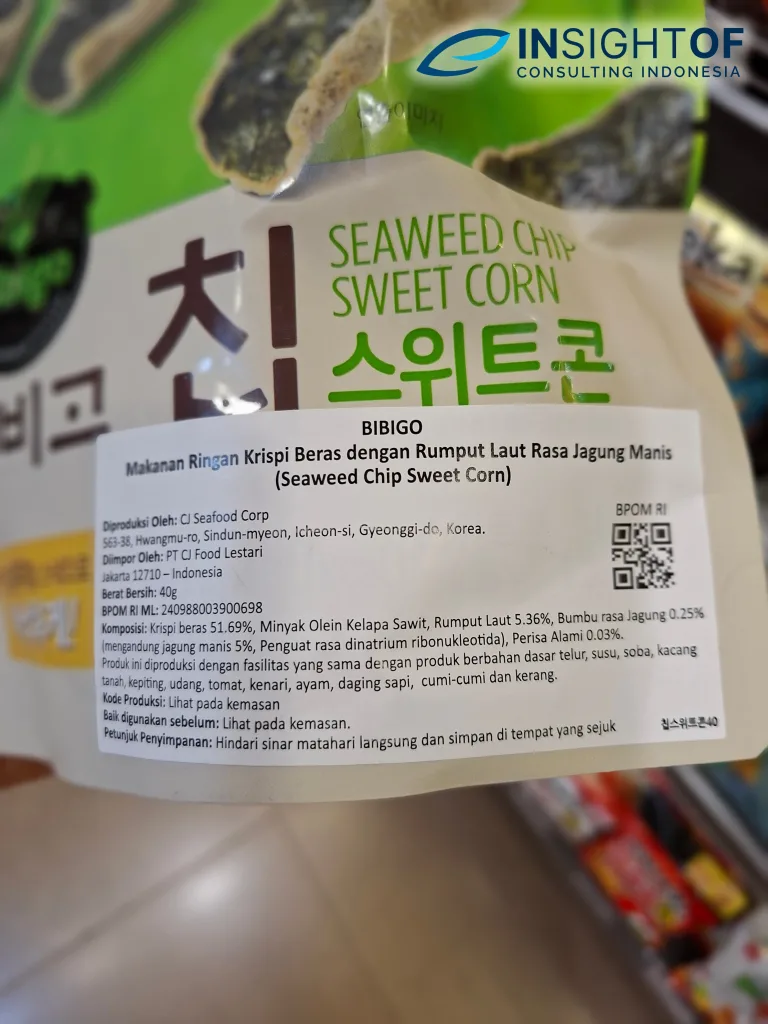
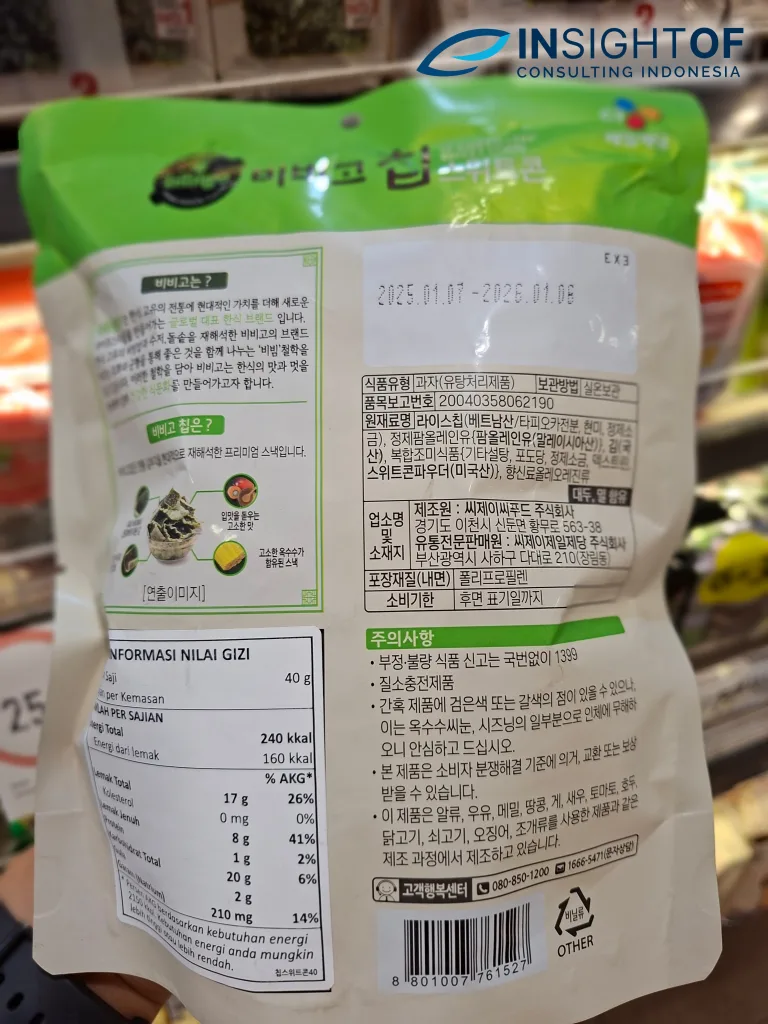
6. Labeling Requirements for Nori Products
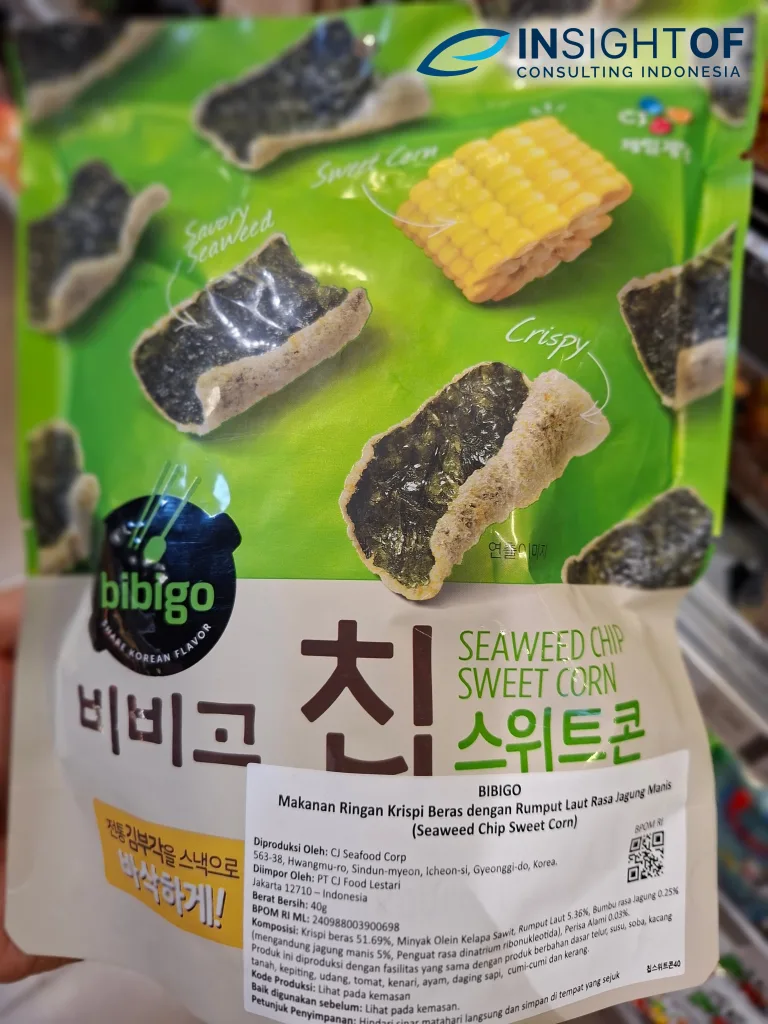
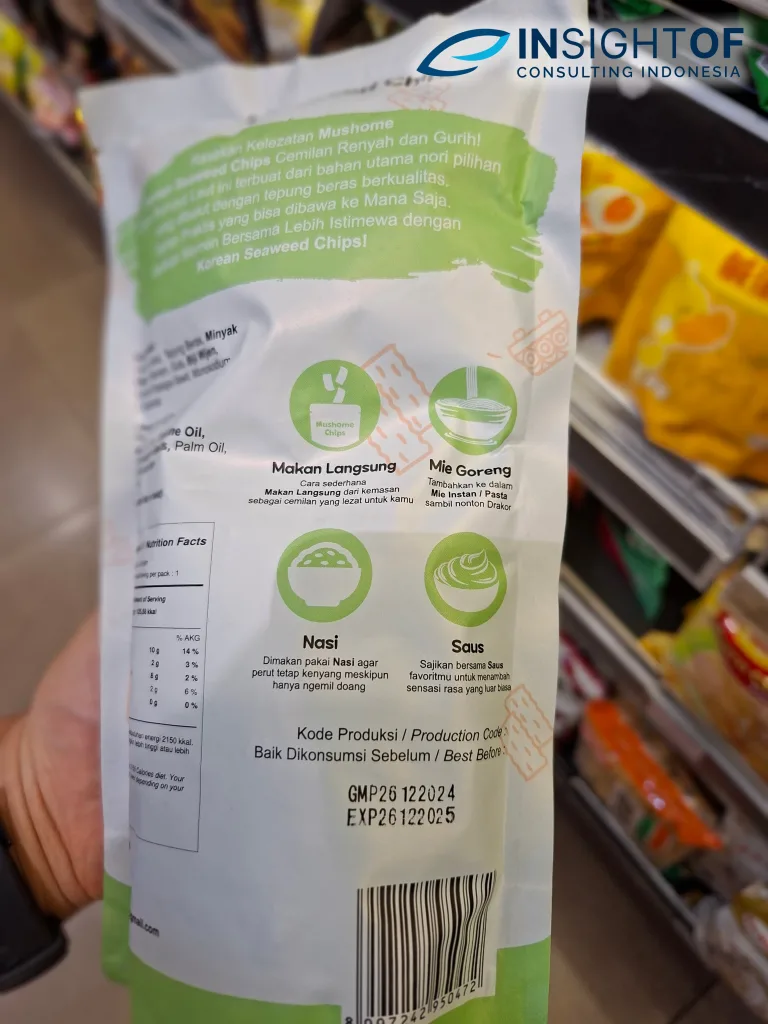
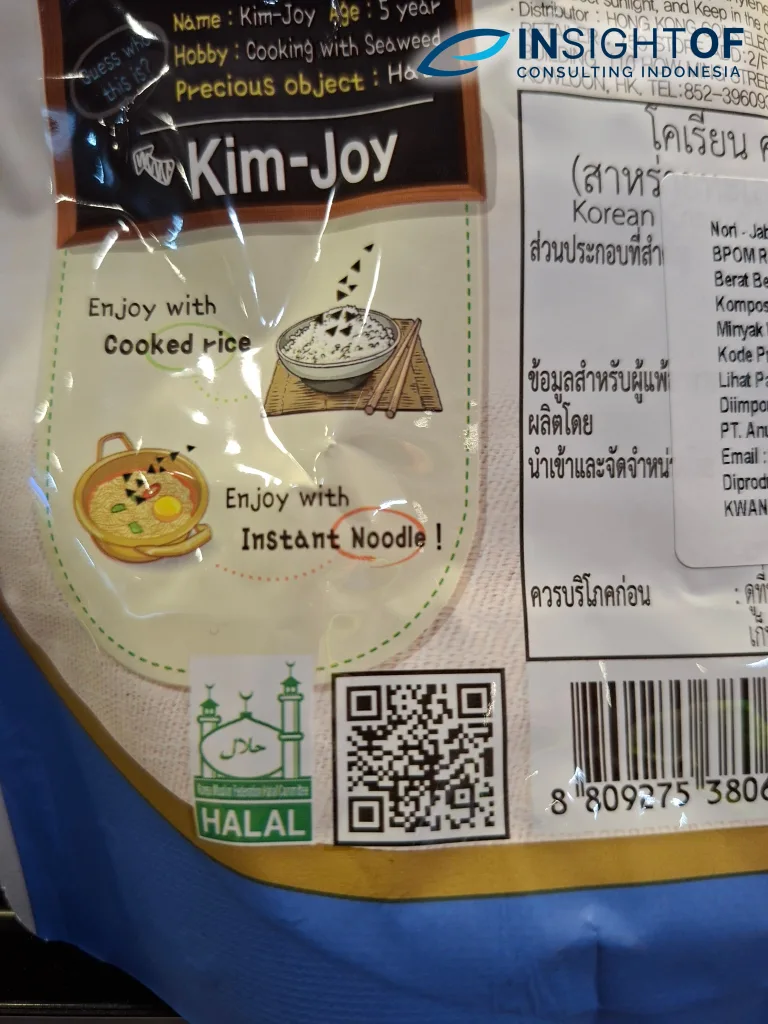
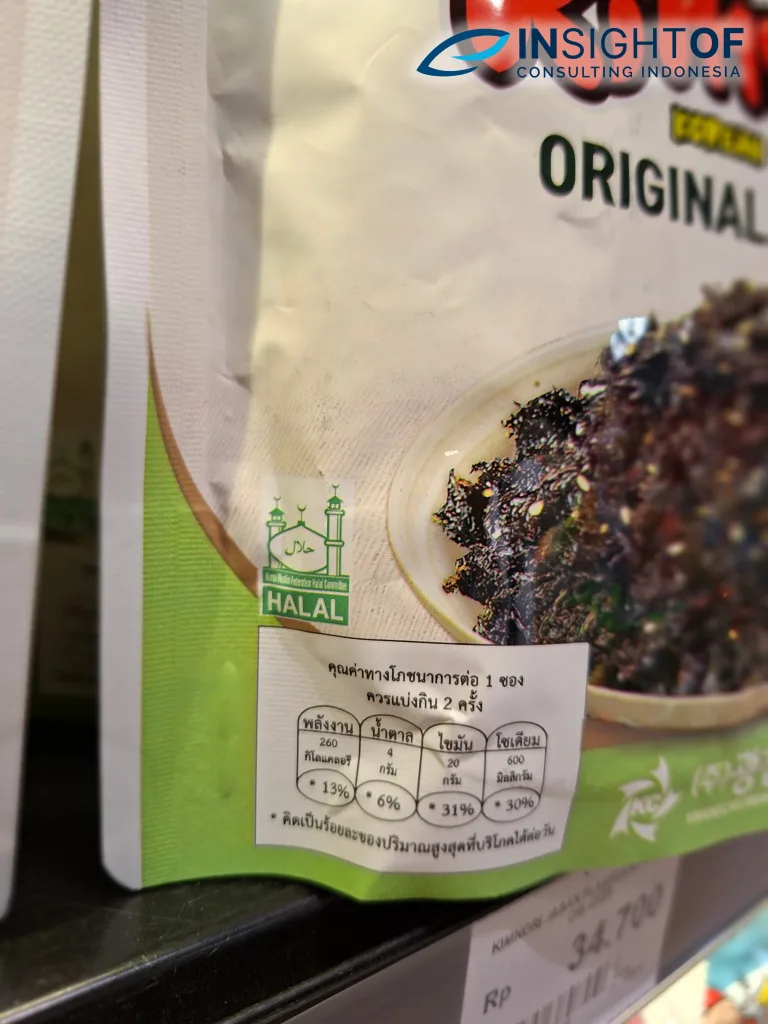
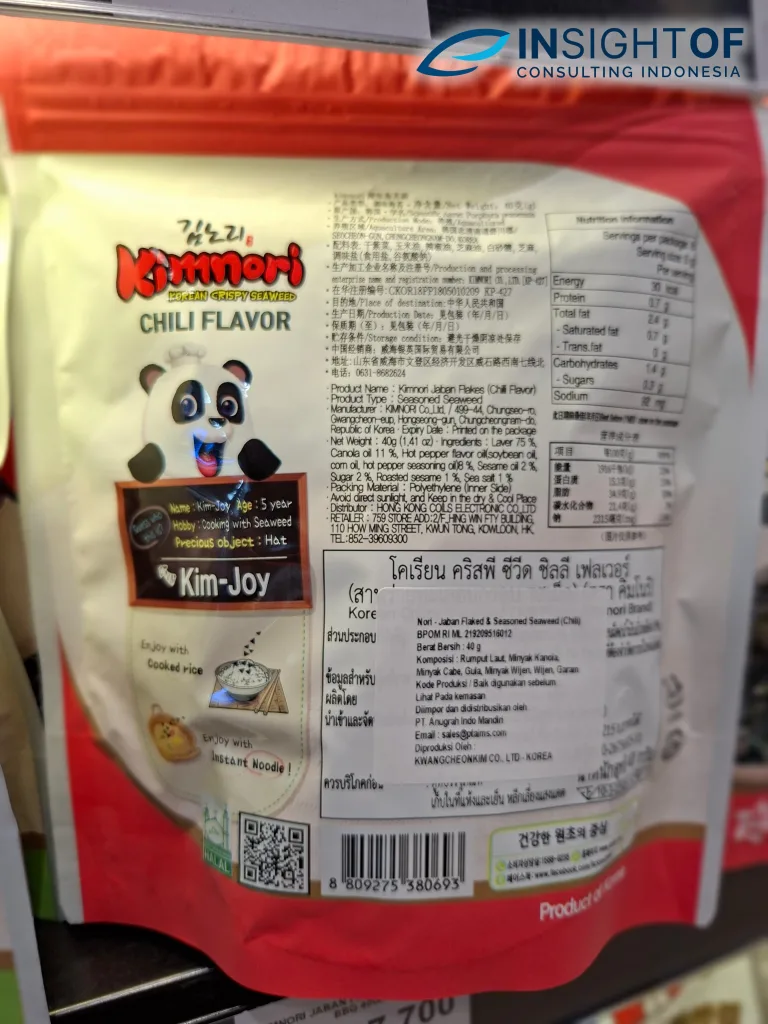
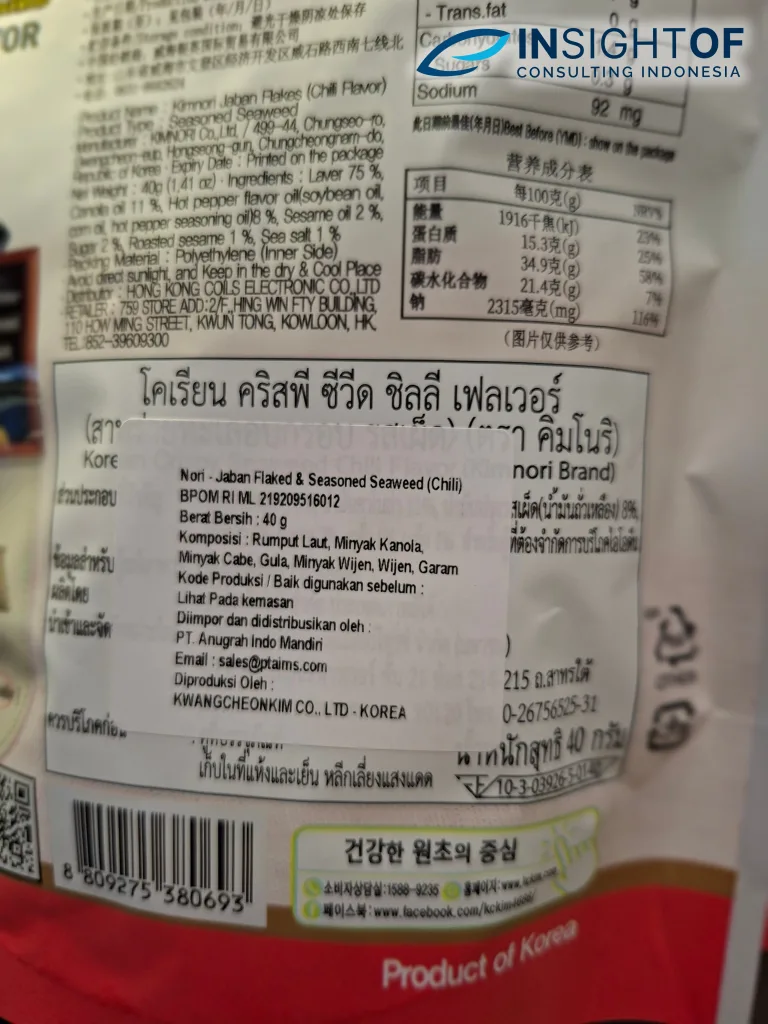
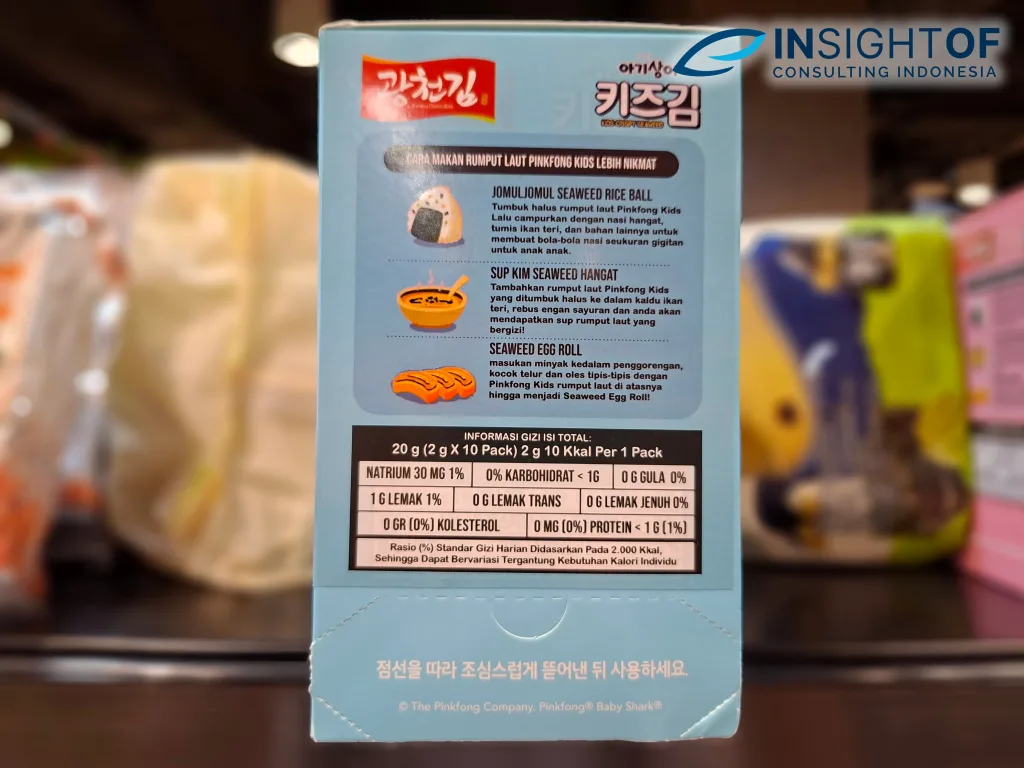
All processed food products distributed in Indonesia must comply with BPOM Regulation No. 31 of 2018 on Processed Food Labeling and Minister of Religious Affairs Regulation No. 26 of 2019 on Halal Labeling.
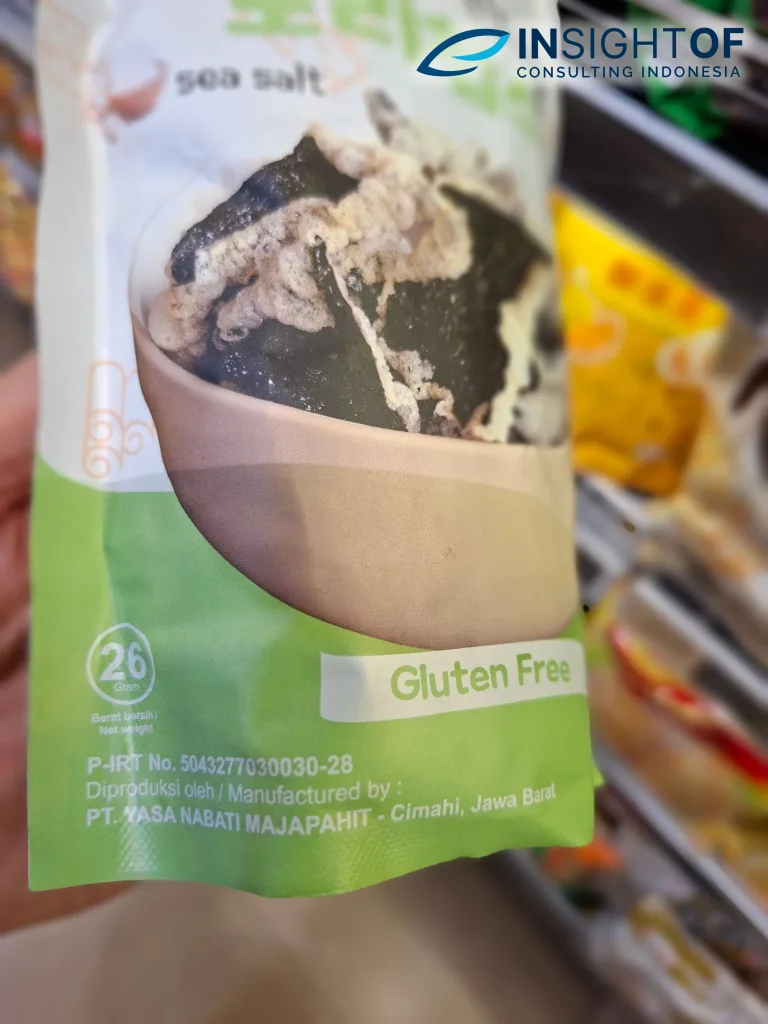
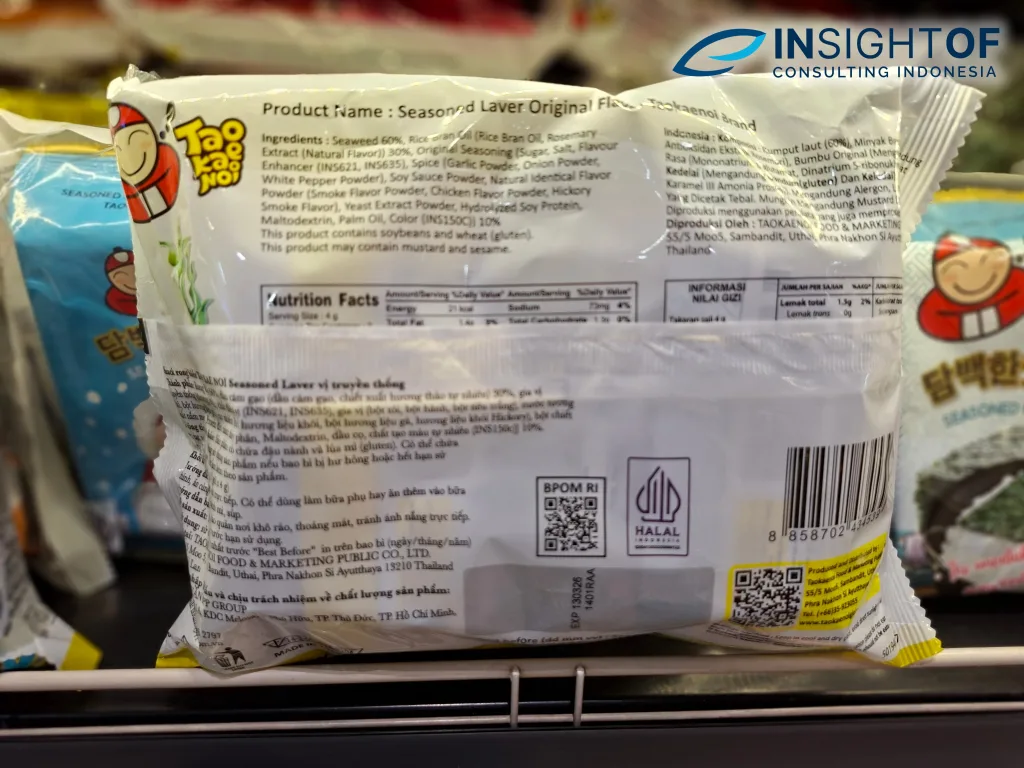
Required Label Information:
- Product Name
- Ingredient List
- Net Weight
- Manufacturer or Importer Name and Address
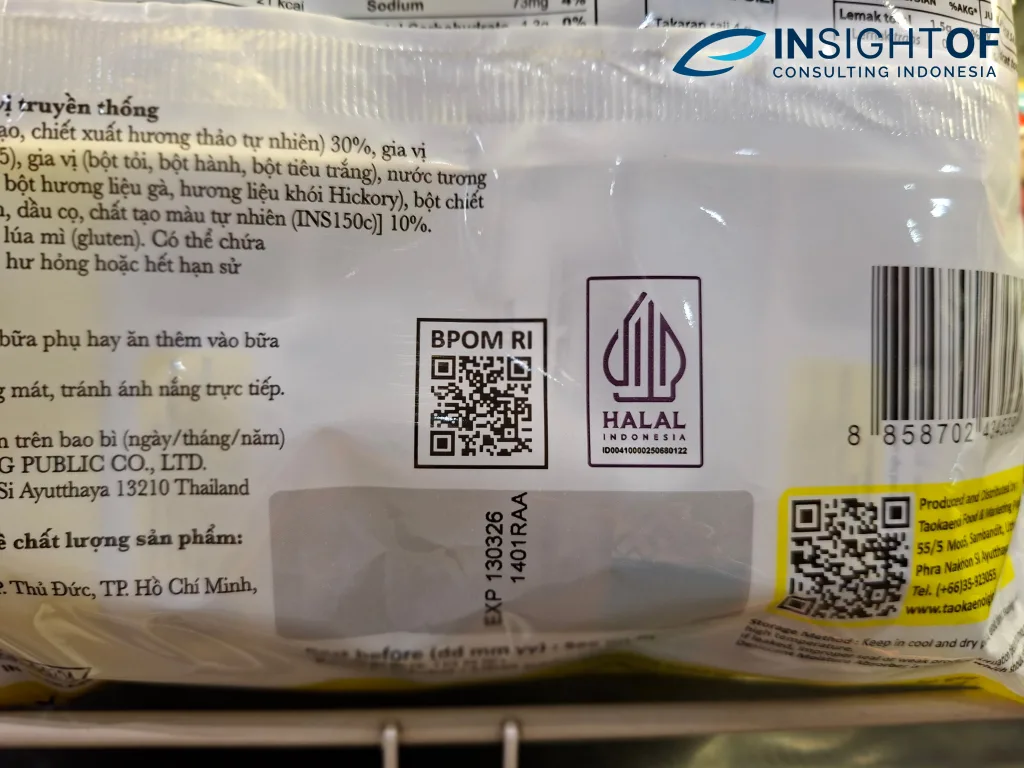
- BPOM Marketing Authorization Number (MD/ML)
- Expiration Date
- Storage Instructions
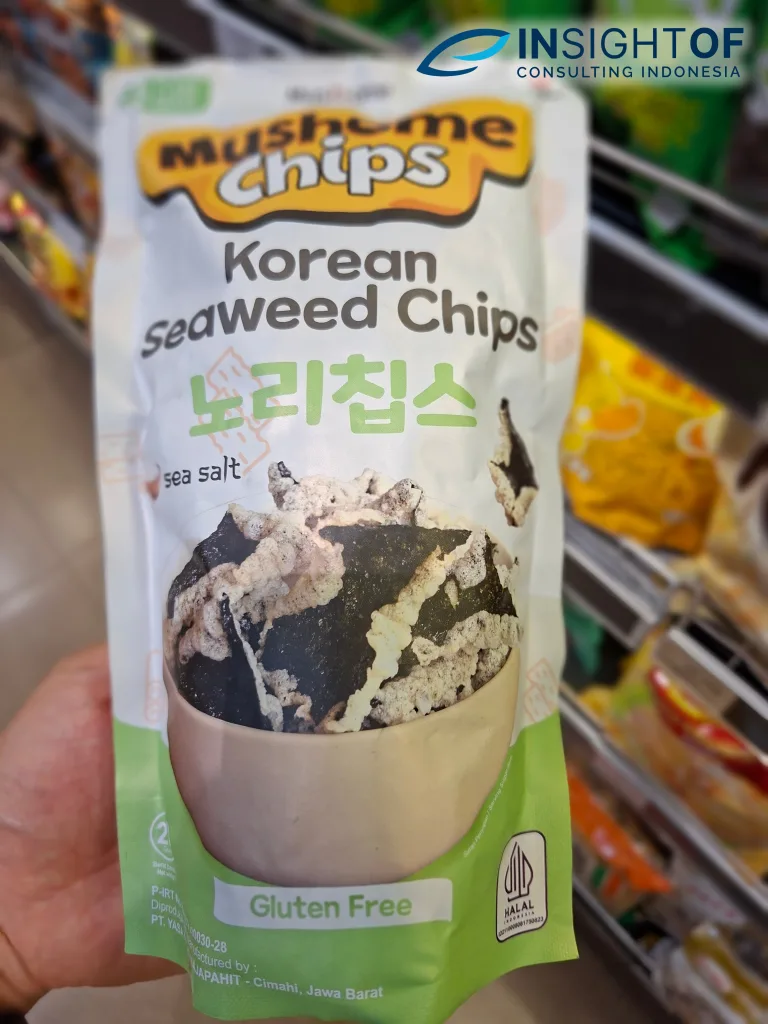
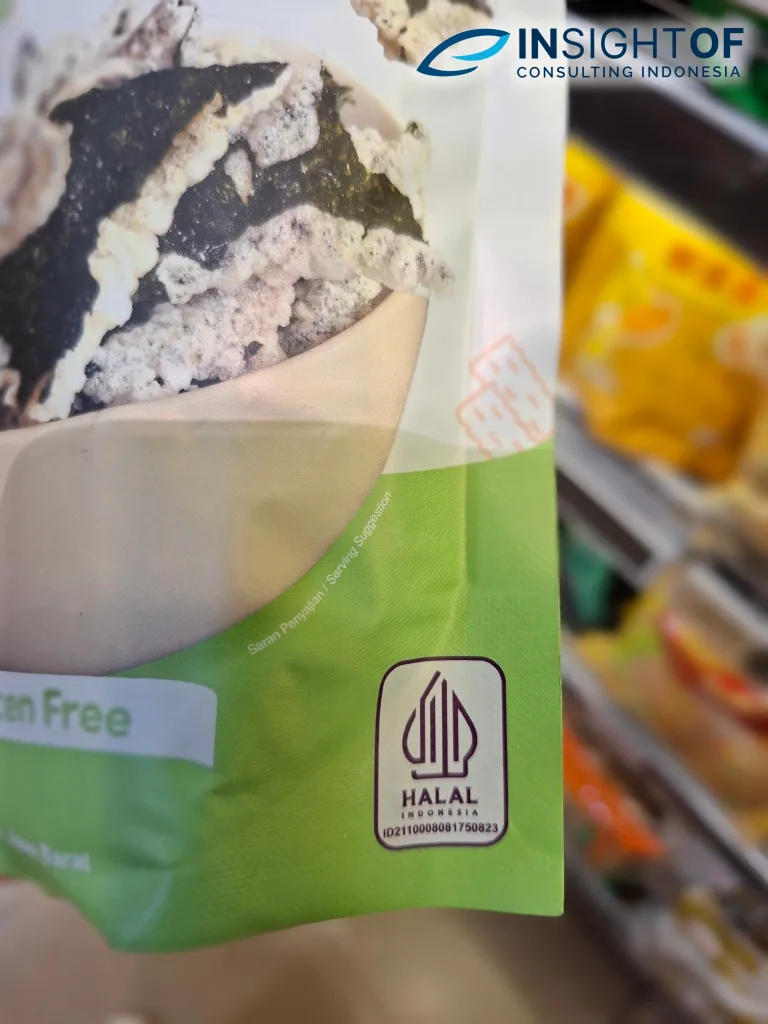
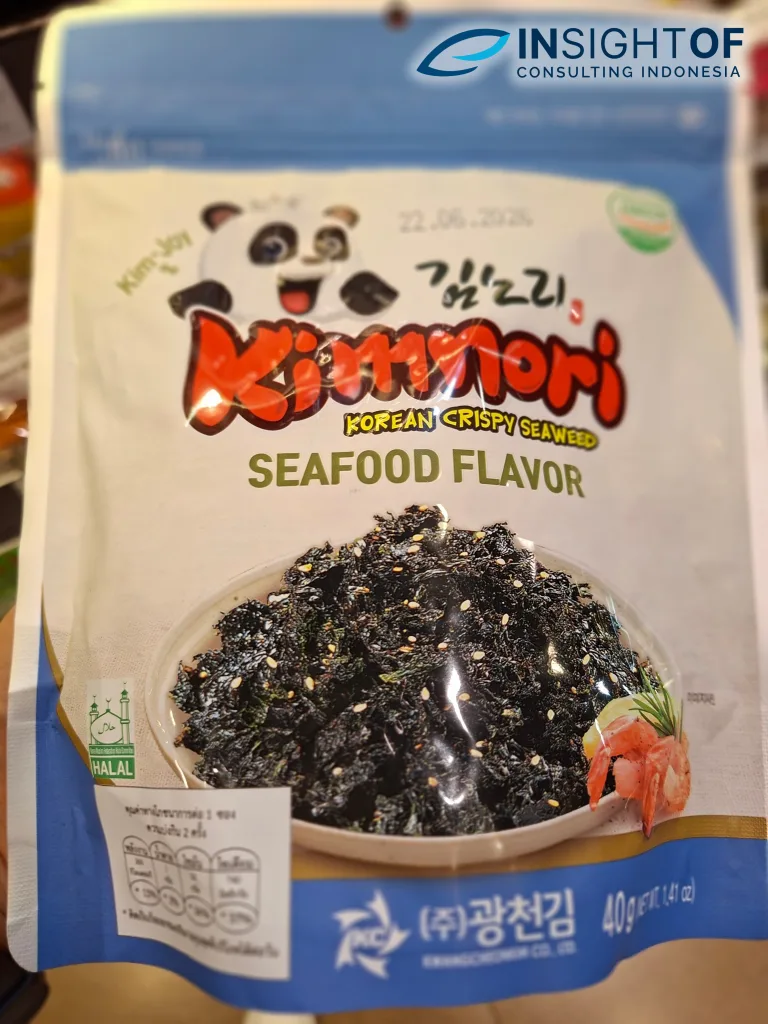
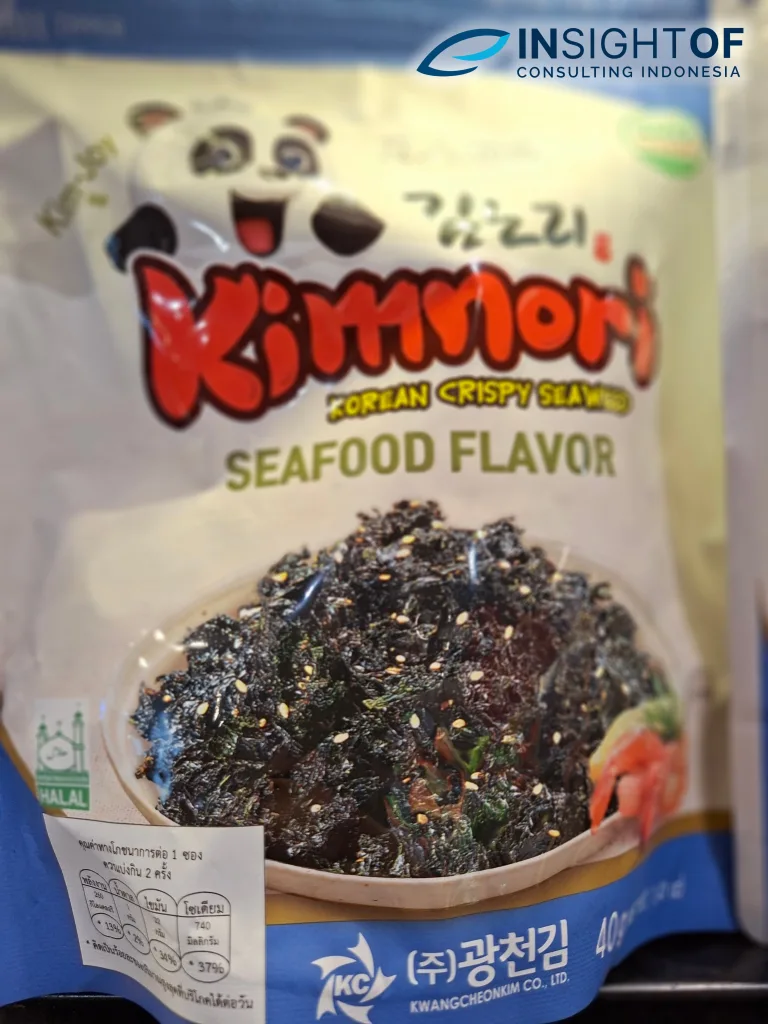
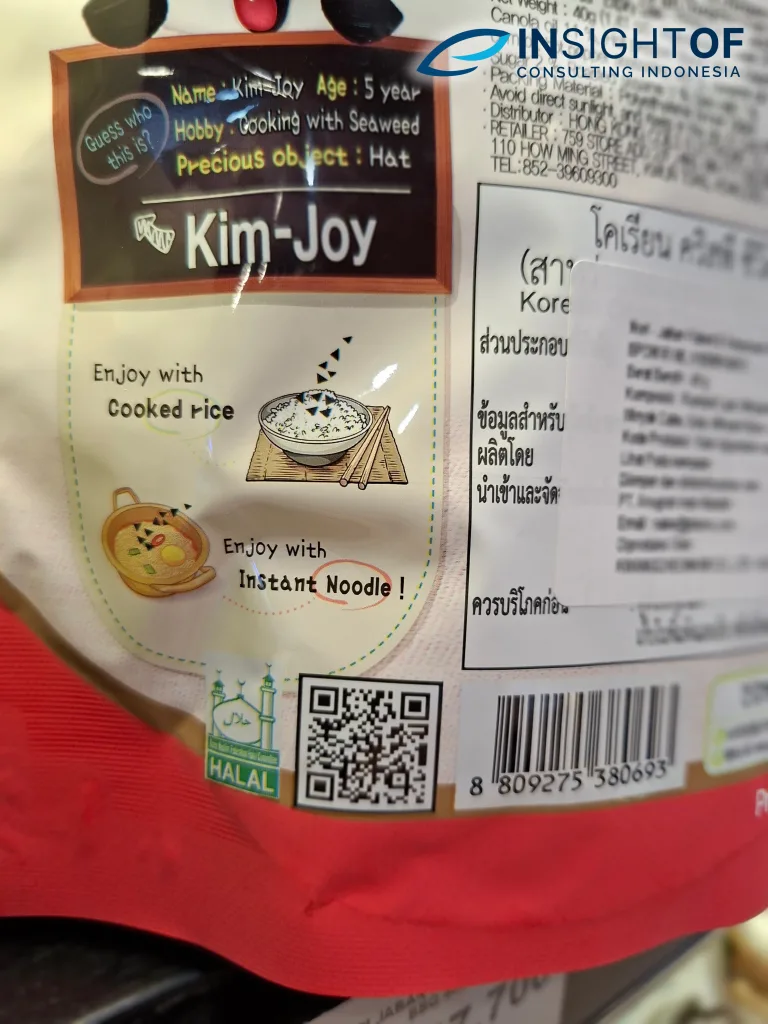
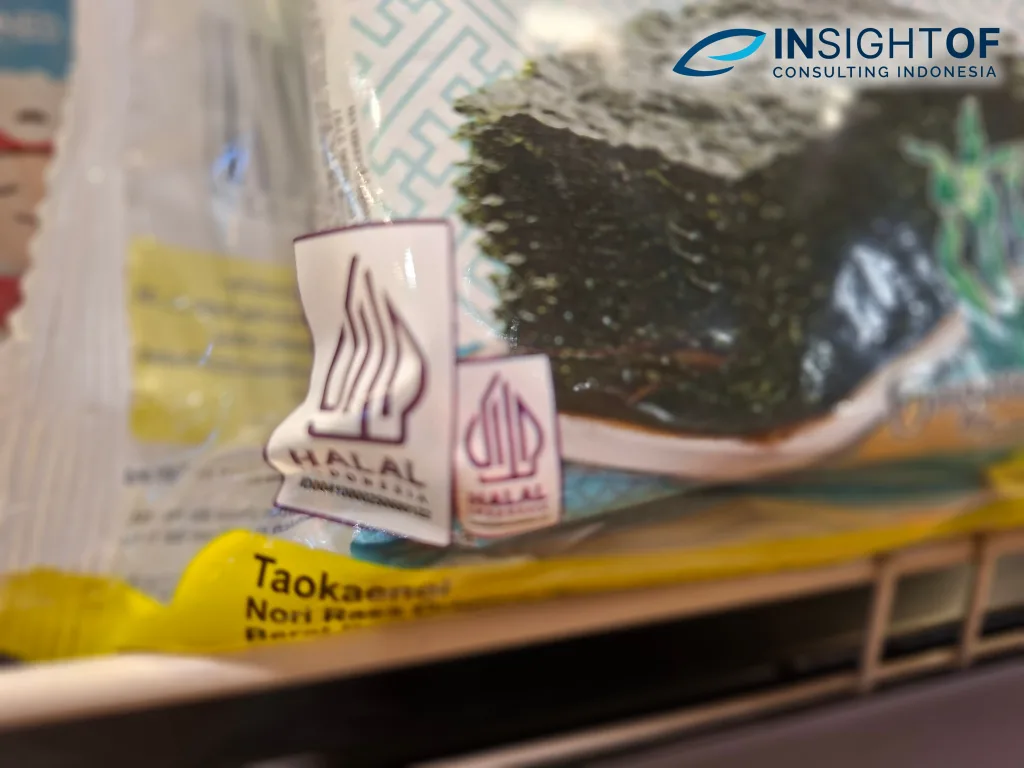
Once halal-certified, the official BPJPH Halal Logo must be clearly displayed on the packaging. The logo must be used in accordance with BPJPH’s official color and format.
Example:
Product Name: INSIGHTOF Roasted Nori
Manufacturer: INSIGHTOF Co., Ltd., Korea
Importer: PT Insight Indonesia, Jakarta
BPOM No.: ML123456789012
Halal Certified by BPJPH (If certificate already issued)
7. How INSIGHTOF Consulting Indonesia Can Help
INSIGHTOF Consulting Indonesia supports international and local food manufacturers in achieving full compliance with BPOM and Halal Certification requirements.
Our services include:
✅ BPOM registration for processed food (nori and seaweed products)
✅ Halal certification guidance with BPJPH & LPH
✅ Document preparation, verification, and translation
✅ Label and packaging compliance review
✅ Importer and license holder registration assistance
With over 700 successful registrations and expertise in regulatory compliance for both food and cosmetic sectors, INSIGHTOF ensures your nori products meet all Indonesian legal and halal standards.
Conclusion
Starting October 17, 2026, all nori products — whether imported or locally manufactured — must:
✅ Obtain BPOM Marketing Authorization (MD/ML), and
✅ Be Halal Certified or labeled Non-Halal.
Proper BPOM registration and halal certification not only ensure legal market access but also enhance consumer trust in Indonesia’s growing health-conscious market.
Do you need assistance registering your product in Indonesia?
Contact us today to start your registration process.



.svg/240px-YouTube_social_red_squircle_(2017).svg.png)