In 2025, Indonesia’s halal ecosystem has entered a decisive enforcement era. What was once perceived as a gradual compliance journey has transformed into a legally binding, technology-driven, and globally connected regulatory system. Halal certification is no longer a symbolic religious label—it has become a core pillar of consumer protection, trade diplomacy, and national economic strategy under Indonesia Emas 2045.
Following the end of the first mandatory phase in October 2024, the Halal Product Assurance Agency (BPJPH) has shifted its posture from education to enforcement. Supported by enhanced legal instruments, digital surveillance, and international cooperation, Indonesia is positioning itself as one of the world’s most structured and credible halal authorities.
Drawing from regulatory practice and ongoing advisory work across food, cosmetics, pharmaceuticals, and imported products, INSIGHTOF Consulting Indonesia highlights ten defining developments shaping Indonesia’s halal certification landscape in 2025.
Mandatory Halal Enforcement Enters Its First Full-Year Execution
The year 2025 became the first full year of legal enforcement following the expiration of the initial mandatory halal phase on 17 October 2024. As of that date, all food, beverage, slaughter products, and slaughter services produced by medium and large enterprises are legally required to hold halal certification. Throughout 2025, BPJPH officially shifted its focus from education and facilitation toward field supervision and enforcement.
Halal inspections were conducted through coordinated efforts between provincial Halal Task Forces, local governments, and law enforcement agencies. These inspections verified the presence of halal labels on packaging, checked certificate validity through the SIHALAL database, and assessed ongoing compliance with the Halal Assurance System (SJPH) at production facilities. Administrative sanctions were applied progressively, ranging from written warnings and administrative fines to product withdrawal and temporary business closure for severe or repeated violations.
Porcine DNA Findings Trigger a National Halal Integrity Crisis
Press Release No. 242/KB.HALAL/HM.1/04/2025 – 21 April 2025
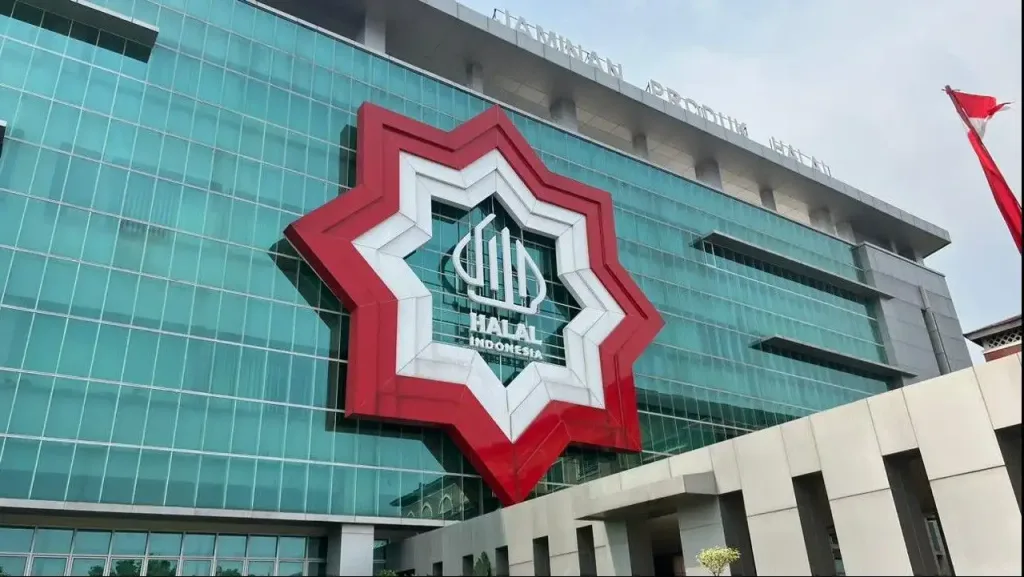
Public confidence in Indonesia’s halal system was seriously tested in April 2025 when BPJPH and BPOM jointly announced the detection of porcine DNA in nine processed food products circulating nationwide. Laboratory testing using Real-Time Polymerase Chain Reaction (RT-PCR) identified pig-derived DNA in eleven production batches, primarily involving imported marshmallow products and gelatin-based ingredients.
What made the case particularly alarming was the fact that seven of the affected products already held valid halal certificates and displayed the official halal logo. This discovery immediately triggered emergency regulatory actions, including nationwide product recalls, temporary suspension of halal certificates, and in-depth investigations into foreign manufacturing facilities and the auditing performance of involved Halal Inspection Bodies (LPH).
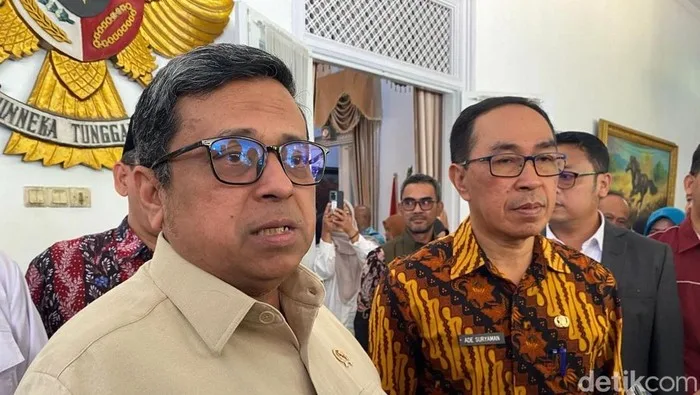
Photo by Siti Fatimah/detikcom
Imported Products Face Heightened Post-Market Surveillance
The porcine scandal accelerated enforcement of random sampling and surprise inspections, especially for imported products and high-risk raw materials.
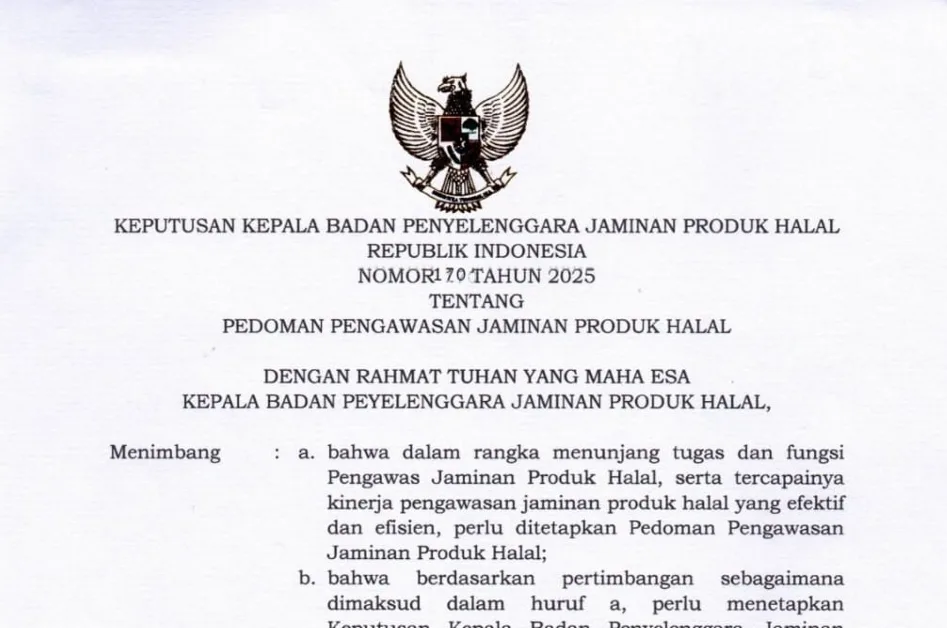
Under Decree of the Head of BPJPH No. 170 of 2025, halal inspectors gained broader authority to:
- Conduct unannounced warehouse inspections
- Take random samples from distributors
- Audit logistics and storage practices
For importers, halal compliance is now inseparable from supply chain traceability.
Cosmetics and Pharmaceuticals Rush Toward the 2026 Deadline
The cosmetics and personal care sector emerged as one of the most active participants in halal certification throughout 2025. With the mandatory halal deadline set for 17 October 2026, both domestic manufacturers and foreign brand owners accelerated certification efforts to secure continued access to the Indonesian market.
By mid-2025, BPJPH recorded:
- 81,343 domestic cosmetic products certified halal
- 7,558 imported cosmetic products certified halal
Beyond ingredient sourcing, regulatory scrutiny extended to functional considerations such as water permeability for products like foundations, sunscreens, and nail cosmetics. These aspects are directly linked to religious observance (wudu validity) and have become a unique compliance dimension within Indonesia’s halal framework.
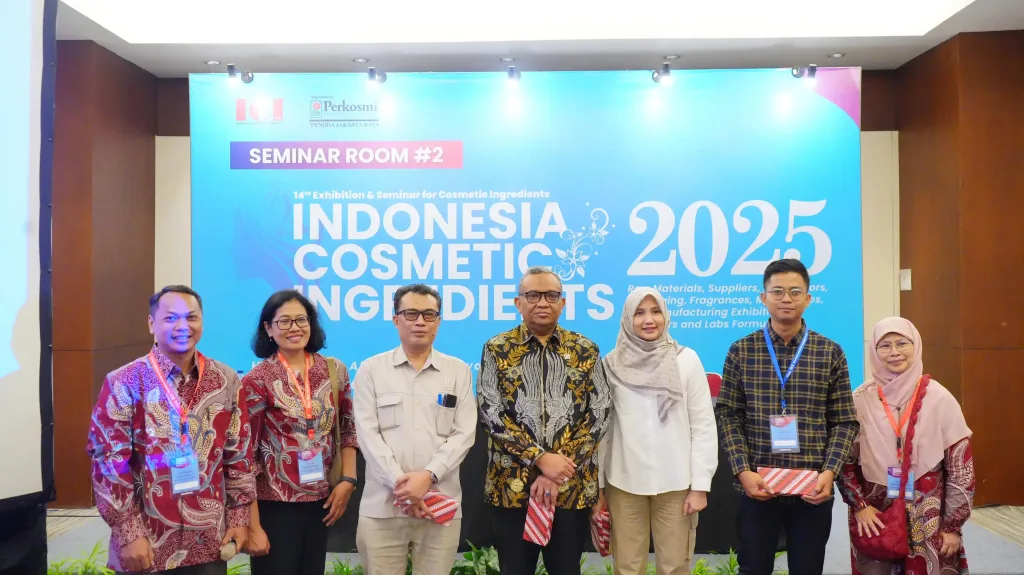
BPJPH: Cosmetic Products Must Have Halal Certification by October 2026
https://bpjph.halal.go.id/en/detail/bpjph-cosmetic-products-must-have-halal-certification-by-october-2026
CDAKB and Halal Assurance Begin to Converge
In 2025, halal compliance began to intersect more closely with pharmaceutical and medical device distribution standards. Products containing Animal-Derived Materials (ADM), including surgical sutures, biological implants, and certain pharmaceutical excipients, were subjected to heightened scrutiny.
The integration of halal assurance principles into CDAKB (Good Distribution Practice for Medical Devices) reflected regulatory concern that contamination risks may arise not only during production but also throughout storage and logistics processes. Halal integrity, therefore, expanded beyond manufacturing into end-to-end supply chain control.
For pharmaceutical companies and distributors, this convergence signaled the need for integrated compliance systems that address both technical safety and halal integrity simultaneously.
BPJPH Issues Two Strategic Regulatory Decrees in 2025
Two regulatory instruments reshaped halal operations in 2025:
BPJPH Decree No. 170/2025
Established standardized national halal supervision, including:
- Periodic and incidental inspections
- Oversight of LPH performance
- Mandatory training and qualification of Halal Supervisors
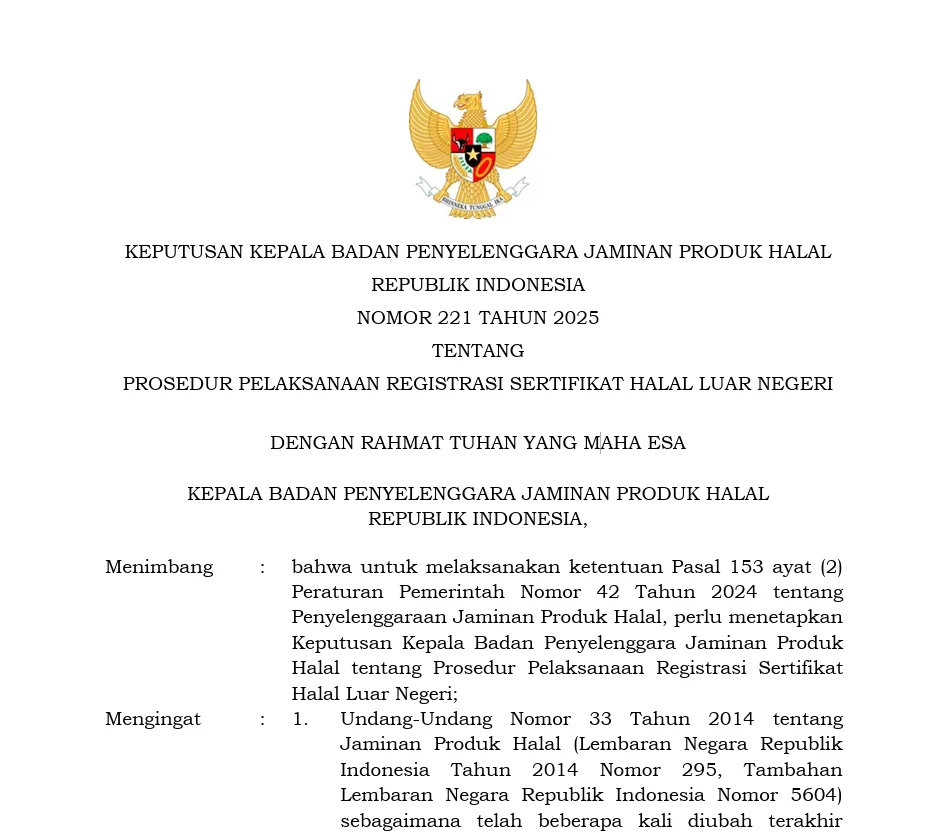
BPJPH Decree No. 221/2025
Reformed foreign halal certificate registration, mandating:
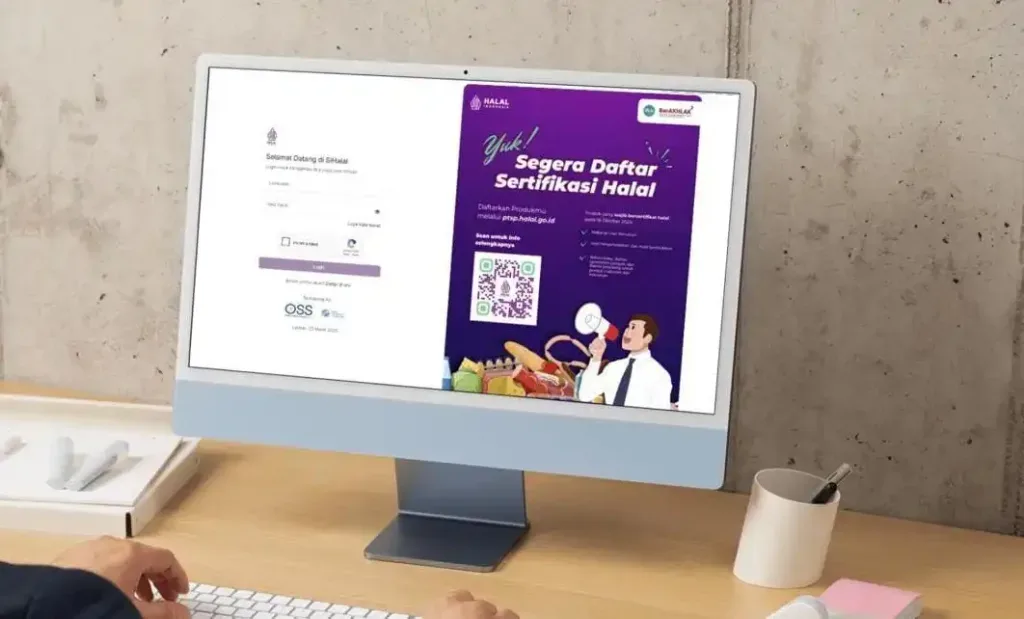
- SIHALAL registration for all imported products
- Administrative fee of IDR 800,000
- Mandatory use of Indonesian halal label with SHLN number
H20 Summit 2025 Strengthens Indonesia’s Halal Diplomacy
Indonesia’s halal diplomacy reached a new milestone at the Halal 20 (H20) Summit 2025 held in Johannesburg. During the summit, BPJPH signed 31 new Mutual Recognition Agreements (MRAs) with halal institutions from 21 countries, bringing Indonesia’s total to 92 MRAs globally.
These agreements facilitate cross-border halal recognition while preserving Indonesia’s regulatory sovereignty. For exporters, MRAs reduce redundant audits and speed up market entry. For importers, they reinforce the requirement that foreign halal systems must meet Indonesian legal and technical standards.
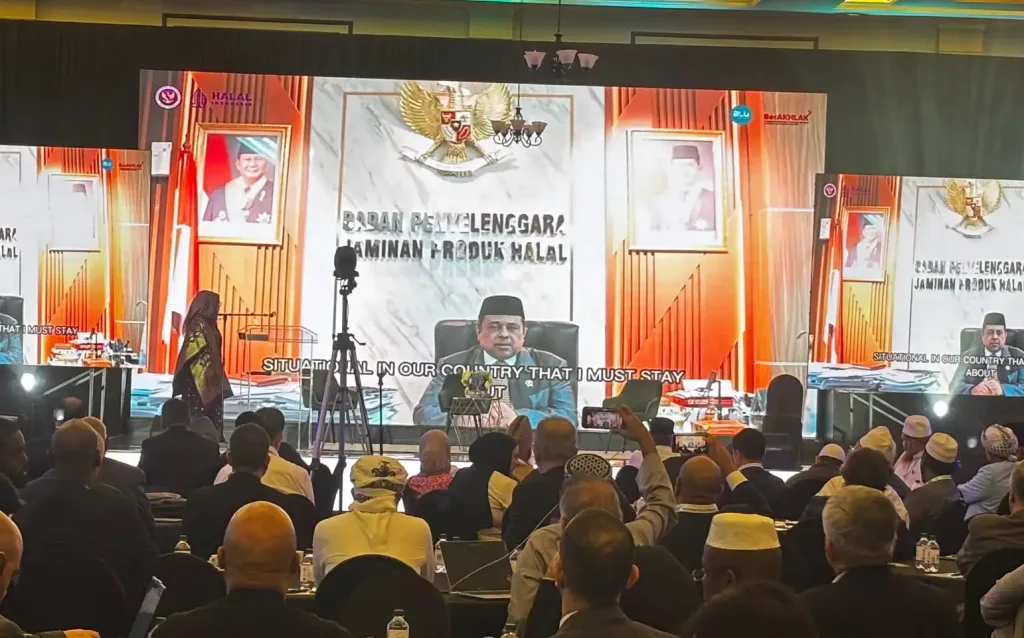
Gelar H20 Summit 2025 di Afrika Selatan, BPJPH Perkuat Tata Kelola Halal Global
https://bpjph.halal.go.id/detail/gelar-h20-summit-2025-di-afrika-selatan-bpjph-perkuat-tata-kelola-halal-global
Halal Certification Costs Rebalanced: SEHATI vs Regular Pathway
To balance strict enforcement with economic inclusivity, BPJPH expanded the SEHATI (Free Halal Certification) program in 2025. A total of 1.14 million free certificates were allocated to eligible micro and small enterprises, with further expansion planned for 2026.
SEHATI applies primarily to low-risk products under a self-declare mechanism validated by trained halal facilitators. For businesses outside this scope, regular certification pathways remain mandatory, with capped audit fees to prevent excessive cost burdens.
A major policy shift welcomed by industry players was the introduction of lifetime halal certificates, provided there are no changes in formulation or production processes.

Pemerintah Gratiskan 1,35 Juta Sertifikat Halal bagi Usaha Mikro dan Kecil di Tahun 2026
https://bpjph.halal.go.id/detail/pemerintah-gratiskan-1-35-juta-sertifikat-halal-bagi-usaha-mikro-dan-kecil-di-tahun-2026
Product Naming Ethics and Label Enforcement Tightened
BPJPH and MUI evaluated over 150 products using controversial names such as “beer,” “wine,” “setan,” anThroughout 2025, BPJPH and MUI jointly reviewed products with controversial names referencing alcohol, supernatural entities, or terms considered inappropriate under Islamic ethics. While the issue did not involve prohibited ingredients, regulators emphasized that halal certification also encompasses ethical representation and consumer clarity.
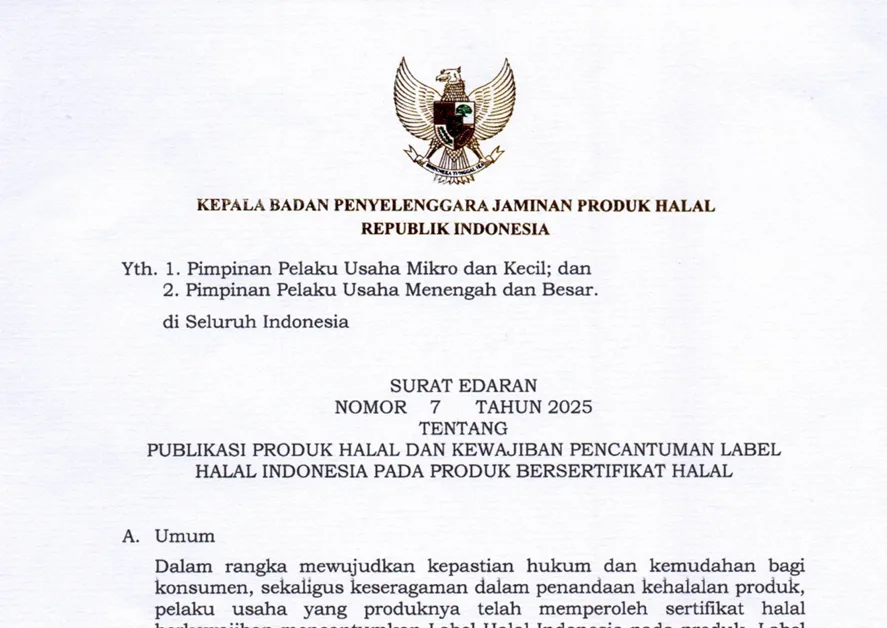
Companies were instructed to rename affected products to maintain halal status. Additionally, Circular Letter No. 7 of 2025 required certified businesses to actively display and publish their halal status, including mandatory placement of the official Indonesian halal logo on product packaging.
Failure to display the halal logo—despite holding valid certification—became subject to administrative sanctions.
Lifetime Halal Certificate Validity (Policy Under Regulatory Adjustment)
In 2025, the concept of lifetime halal certificate validity emerged as a major policy direction under discussion by BPJPH, rather than a fully implemented regulation. The government has expressed its intention to revise Government Regulation (PP) No. 39 of 2021, in line with the Job Creation Law, to eliminate mandatory periodic renewal and reduce long-term compliance costs—particularly for micro and small enterprises (MSMEs).
Under the proposed framework, halal certificates would remain valid indefinitely as long as no changes occur to the following critical elements:
- product composition,
- raw material suppliers,
- production processes, or
- production facilities.
However, BPJPH has clarified that this policy is still undergoing regulatory harmonization and institutional adjustment. While the objective is to simplify compliance, implementation mechanisms—especially post-certification supervision, reporting obligations, and enforcement procedures—are still being refined to ensure that halal integrity is not compromised.
Any change to the certified elements would continue to require mandatory reporting and revalidation through the SIHALAL system. Failure to disclose such changes may result in administrative sanctions, including temporary suspension or revocation of halal status. As such, the “lifetime” concept is positioned not as deregulation, but as a shift toward continuous compliance and risk-based supervision within Indonesia’s evolving halal governance framework.
INSIGHTOF Consulting Indonesia: Supporting Businesses Through Indonesia’s Evolving Halal Regulations
INSIGHTOF Consulting Indonesia supports businesses across:
- Halal certification (food, cosmetics, pharmaceuticals, medical devices)
- SJPH implementation and audit readiness
With deep experience navigating Indonesia’s evolving halal regime, we help clients move beyond approval—toward long-term halal integrity and global market trust.
Conclusion
In this new era, halal is not a label—it is a legal promise.
Businesses that treat halal as a formality will fall behind.
Those who treat it as a strategic system will lead.
INSIGHTOF Consulting Indonesia stands ready to guide that journey.